
The first night my baby slept alone, I stood outside the door, holding my breath and listening for every tiny sound. That’s when I really understood why do you need a baby monitor—not out of fear, but for reassurance. A baby monitor lets you check on baby sleep without hovering, using a baby camera and night vision to see what your ears might miss. It gives you safety and freedom at the same time, whether your baby is in a crib down the hall or starting to sleep longer stretches. In this guide, I’ll share what I’ve learned—from newborn days to toddler years—so you can decide what actually helps and what doesn’t.
Why Is It Important to Have a Baby Monitor?
A baby monitor matters because it lets you know your baby is okay without being in the room every minute. In short, it gives you awareness without anxiety. From safety and surveillance to better baby sleep, it supports both your baby and your sanity. I didn’t realize how much mental space it freed up until I actually used one.
Safety & Surveillance (Hearing and Seeing What You Can’t)
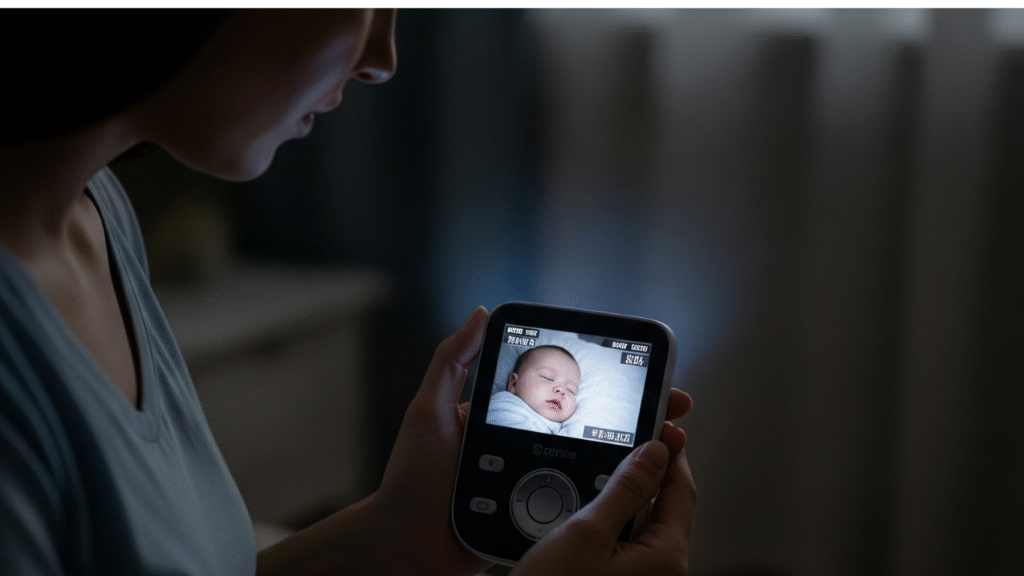
A baby monitor helps you notice changes in breathing, movement, or unusual sounds right away. Short answer: it adds an extra set of eyes and ears when you’re not in the room. With a baby cam and night vision, you can check on your baby in a dark room without turning on lights or risking a wake-up. That visual confirmation alone can stop the panic spiral before it starts.
What surprised me most was how calming it felt to see my baby’s chest rising instead of guessing. A monitor camera turns “Is everything okay?” into a quick glance. This kind of safety & surveillance isn’t about spying—it’s about reassurance. And reassurance goes a long way at 2 a.m.
Convenience & Freedom for Parents
A baby monitor gives you freedom to live your life while your baby sleeps. Short answer: you don’t have to hover to stay informed. I could shower, cook dinner, or answer emails while keeping the sound on beside me. With a WiFi monitor, I even checked in while folding laundry in another room.
Before using baby cameras, I was walking back and forth nonstop. Afterward, I only went in when it mattered. That convenience & freedom made me calmer, which honestly helped my baby stay calmer too. Babies feel our stress, even when we try to hide it.
Improved Sleep Management (For Baby and You)
Baby monitors help you understand your baby’s sleep patterns better. Short answer: they reduce guesswork around baby sleep. By watching wake windows and movements, you learn when your baby is settling versus when they truly need you. A sleep monitor can prevent those well-meaning but mistimed room entries.
I learned this the hard way—rushing in too fast often woke my baby fully. Using a monitor, I could pause and watch first. Tools like the Nanit Pro helped me spot patterns over time, not just react in the moment. Better timing meant longer stretches of rest for both of us.
Do You Need a Baby Monitor for Newborns?
Yes, most parents find a baby monitor especially helpful for newborns. Short answer: newborns change quickly and quietly. They wake often, breathe softly, and don’t always cry loudly. A monitor helps you notice those subtle shifts without constant checking.
Newborns may sleep in a baby crib or bassinet, sometimes in your room and sometimes not. Proper crib placement and safe monitor placement let you keep an eye on them without hovering. Even during room-sharing, a monitor can help during naps or when you step away briefly. It’s less about control and more about calm awareness during a very new phase.

Health Monitoring – What Baby Monitors Can (and Can’t) Do
Modern baby monitors offer helpful health monitoring features, but they’re not medical tools. Short answer: they provide awareness, not diagnoses. Many models include breathing alerts, motion tracking, and temperature sensors that flag changes during sleep. A sleep monitor can help you notice patterns early, not replace a doctor.
From my experience, features like movement alerts on a Nanit camera are most useful for peace of mind. They let you see trends over time instead of guessing. Still, it’s important to know the limits. Baby monitors support parents, but they don’t detect illness or prevent emergencies.
Two-Way Communication – More Than a Fancy Feature
Two-way communication lets your baby hear your voice even when you’re not in the room. Short answer: your voice can calm without picking them up. I’ve soothed my baby with a soft “shhh” through the monitor camera more times than I can count. Sometimes, that’s all they need to settle again.
As babies grow, this feature becomes even more helpful. It supports self-soothing and builds trust. For toddlers, two-way communication lets you check in from another room without rushing in. It feels like a gentle bridge, not a barrier.
Toddler Safety – Why Baby Monitors Still Matter After Infancy
Baby monitors don’t stop being useful once babies start walking. Short answer: toddler safety needs change, not disappear. Toddlers climb, explore, and test limits—often quietly. A baby cam helps you catch those silent moments before trouble starts.
When we moved from crib to bed, the monitor became essential again. Using a secure monitor mount, I could see nighttime wandering without opening the door. That visual check helped me step in only when needed. Less interruption meant better sleep for everyone.
Is It Okay to Not Have a Baby Monitor?
Yes, it’s okay to not use a baby monitor. Short answer: it depends on your home and comfort level. In small homes, you may hear everything without help. Some families also choose not to use one due to privacy or cultural preferences.
What matters most is how confident you feel. A baby monitor is a tool, not a requirement. If it reduces stress, it’s helpful. If it adds worry, it’s okay to skip it or use it only part-time.
When Should I Use a Baby Monitor?
You can use a baby monitor at different ages for different reasons. Short answer: use it when distance or sleep changes make it helpful. Needs shift as babies grow, and that’s normal. The key is adjusting how you use it over time.
Newborn Stage (0–6 Months)
During the newborn stage, monitors support naps and night feeds. Short answer: newborns are quiet and unpredictable. Even with room sharing, a monitor helps when you step away. Safe monitor placement near the baby crib gives you quick reassurance.
Infant Stage (6–12 Months)
As babies move to longer sleep stretches, monitors become more valuable. Short answer: distance increases, awareness matters more. Crib sleeping often moves to a separate room. A monitor helps you respond without constant checks.
Toddler Years (1–3+ Years)
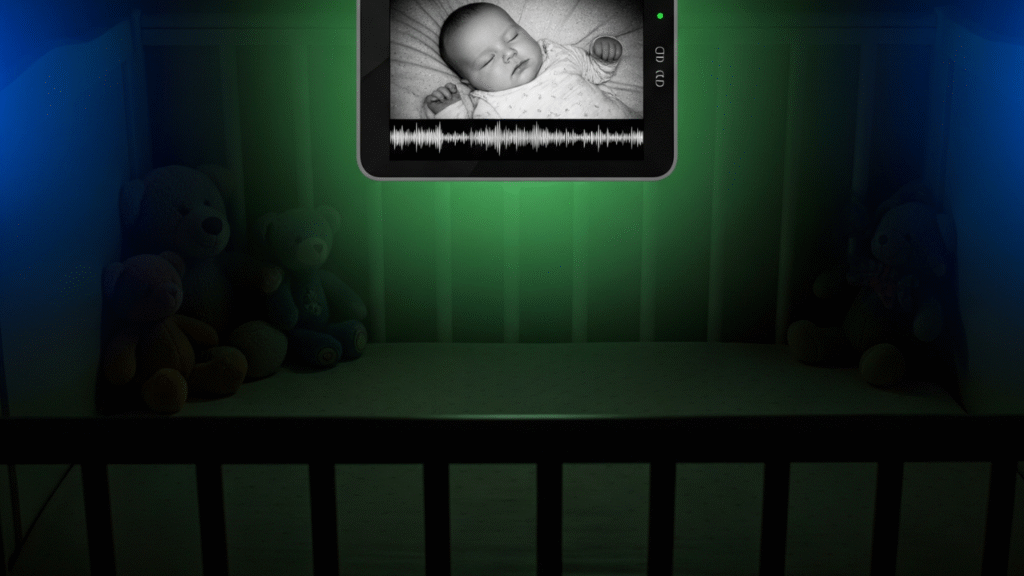
For toddlers, monitors shift toward safety and independence. Short answer: toddlers explore silently. You may not need constant viewing, but quick access helps. Many parents keep a monitor until they feel confident without it.
When parents ask what age should you have a baby monitor, I say there’s no deadline. Use it as long as it supports your family’s rhythm and peace of mind.
Monitor Placement Basics Every Parent Should Know
Good monitor placement makes a big difference in what you see and how safe it is. Short answer: place the camera high, far, and secure. Never mount a baby camera inside the crib or within arm’s reach. I learned quickly that “closer” isn’t better—it often means worse angles and more risk.
The ideal distance from the crib is usually 3–6 feet, depending on the lens. Short answer: far enough to see the whole sleep space, close enough to notice movement. Always keep cords well out of reach, even if they look harmless. Using a proper monitor mount instead of makeshift setups adds peace of mind.
Angle matters more than people realize. Short answer: aim slightly downward for a full view. This angle works best with night vision and avoids glare or blind spots. A few minutes adjusting monitor placement can save you weeks of frustration.
Types of Baby Monitors Explained (Quick Buyer Education)
Baby monitors come in a few main types, and each fits a different parenting style. Short answer: there’s no single “best,” only what works for you. Audio-only monitors are simple and budget-friendly. They’re great if you just want sound and fewer screens.
Video monitors add visual comfort. Short answer: seeing your baby often calms you faster than sound alone. A Wi-Fi monitor lets you check in from anywhere, while non-Wi-Fi models work well for parents who prefer offline use. Both have pros, and neither is wrong.
Smart monitors combine video with insights. Short answer: they track patterns, not perfection. Models like the Nanit Pro offer sleep data and trends over time. I found this helpful for learning rhythms, not for chasing “perfect” sleep. The best monitor is the one that supports your confidence, not your stress.
Why do you need a baby monitor if you don’t co-sleep?
A baby monitor lets you hear and see your baby from another room. It adds safety, supports baby sleep, and gives peace of mind without staying bedside. Learn more about safe setups.
Is it okay to not have a baby monitor?
Yes, it’s okay to skip a baby monitor if your home is small or you feel confident. A monitor is a helpful tool, not a rule. Learn when parents choose not to use one.
Do baby monitors actually improve baby sleep?
Baby monitors can improve baby sleep by reducing unnecessary check-ins. Watching first helps you respond at the right time. Learn how sleep monitors support better rest.
What age should you stop using a baby monitor?
There’s no set age to stop using a baby monitor. Many parents use it through toddler years for safety and reassurance. Learn how needs change as kids grow.
Are Wi-Fi baby monitors safe to use?
Wi-Fi baby monitors are safe when secured with strong passwords and updates. They offer flexibility and features like video access anywhere. Learn best practices for safe use.
Do You Really Need a Baby Monitor?
So, do you really need a baby monitor? Short answer: you need peace of mind, not pressure. A baby monitor helps you feel connected without hovering, especially during baby sleep and those quiet nighttime moments. It’s about awareness, not fear.
What changed for me was trust.
Short answer: I stopped guessing and started resting. Seeing my baby settle on the screen helped me relax and respond with confidence. I wasn’t rushing in as often, and we both slept better.
Every family is different.
Short answer: the right choice supports your comfort. If you’re exploring options, take time to compare baby cameras, learn safe monitor placement, and choose features that fit your life. The goal isn’t more tech—it’s calmer nights and a little more rest.