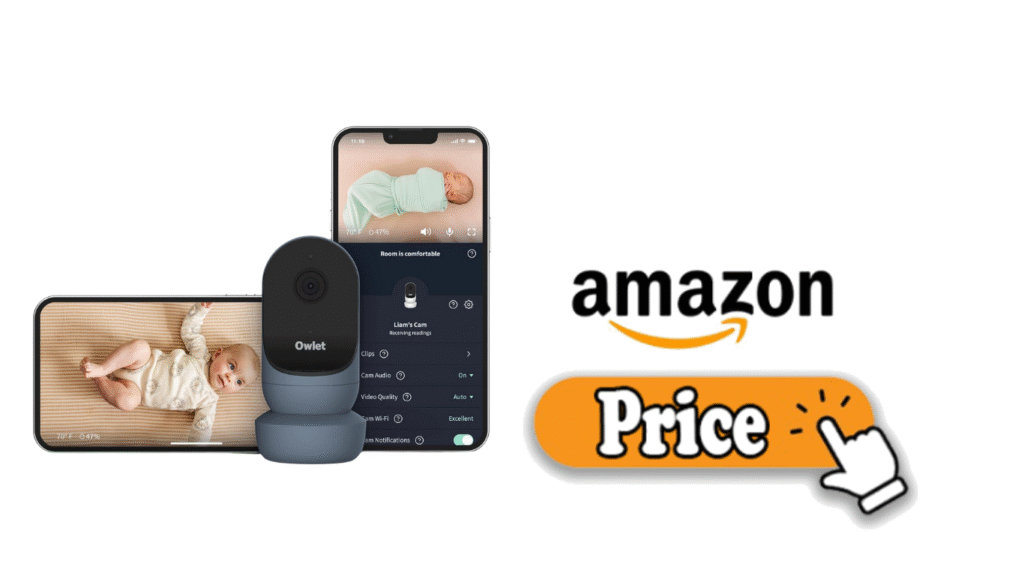
Every night, before I sleep, I check the app like a quiet habit, and I ask myself, how long does the Owlet sock battery last when real life gets busy. Battery life matters more than we think, because a dead sock at 2 a.m. brings stress, not sleep. I’ve used the Owlet overnight, on good nights and rushed ones, so I’ve seen what happens when the battery runs low. I’ll share honest use, what research says, and why some pediatricians raise concerns. If you want calm nights and clear facts, let’s walk through this together.
How Long Does the Owlet Sock Battery Last in Real Life?
Short answer: In real life, the Owlet Sock battery usually lasts one full night, not multiple days.
On paper, Owlet says the battery can last up to about 16 hours on a full charge. In daily use, most parents see closer to 10–12 hours, which is enough for overnight sleep. That gap matters, because real nights include movement, alerts, and app checks. In my home, it always made it through the night, but never two nights in a row.
Quick answer: Advertised battery life is longer than real-life use for most families.
Battery life drops faster if your baby moves a lot, the sock fit shifts, or alerts go off often. Wi-Fi strength and background app use also play a role. I noticed shorter battery life on restless nights, like growth spurts or sleep regressions. Calm nights used less power and felt less stressful.
Short answer: Your habits shape how long the battery lasts.
My routine became simple. I charged the sock every morning, like brushing my teeth. When I skipped that habit once, the low-battery alert woke me before my baby did. That moment taught me the Owlet works best with steady habits, not guesswork.

How Long Does Owlet Take to Charge? What Parents Should Expect
Short answer: Most Owlet socks charge in about one to two hours.
Charging time matters almost as much as battery life. When you’re tired, waiting half a day is not an option. From both my use and brand guidance, Owlet socks are made for quick daily charging. A full charge usually fits easily into a morning routine.
How Long Does Owlet 2 Take to Charge?
Short answer: Owlet 2 usually takes about 90 minutes to fully charge.
From a low battery, the Owlet 2 reaches full power in roughly an hour and a half. I often placed it on the charger after breakfast and forgot about it until nap time. Using the original charger helps keep charging steady and avoids slowdowns.
Table of Contents
How Long Does the Owlet Dream Sock Take to Charge?
Short answer: The Dream Sock also charges in about 90 minutes.
Compared to earlier models, the Dream Sock feels more consistent with charging alerts and status updates. The charging time did not change much, but the feedback feels clearer. That small change lowers stress when you are rushing through the day.
How Long to Charge Owlet Sock 3?
Short answer: Owlet Sock 3 takes around 90 minutes to charge.
Charging speed stayed similar, even though the tech inside improved. What changed is efficiency and better alerts if the sock is not seated right on the base. In real life, that means fewer surprises at bedtime and more trust in your routine.
What Happens When the Owlet Sock Battery Dies?
Short answer: When the battery dies, monitoring stops and you get an alert.
When the Owlet Sock battery runs out, the base station and app send a low-battery warning first. If it fully dies, tracking ends right away. There is no silent monitoring in the background. Think of it like a phone that shuts off mid-call. The connection is simply gone.
Quick answer: Heart rate and oxygen tracking stop immediately.
Once the battery is dead, the sock can no longer read or send data. Sleep tracking pauses, and alerts stop working too. The app shows a disconnect instead of live numbers. This is why battery habits matter so much for peace of mind.
Short answer: A dead battery can break your sleep, even if your baby sleeps fine.
I learned this the hard way one night. I missed my usual morning charge, and the low-battery alert went off around 3 a.m. My baby slept through it, but I didn’t. That moment reminded me the Owlet supports parents as much as babies, and dead batteries add stress, not safety.
Will Owlet Work Without Power or Wi-Fi?
Short answer: Owlet needs power, but some alerts can still work without Wi-Fi.
If the power goes out, the base station turns off, and full monitoring stops. The sock itself runs on its own battery, but it cannot send data without the base. Think of it like a lamp with no outlet. The bulb is fine, but the room still goes dark.
Quick answer: Without Wi-Fi, app features stop, but basic alerts may still sound.
When Wi-Fi drops, the app cannot show live data or history. The base station can still give local alerts if it has power. I noticed this during a brief internet outage. The app froze, but the base stayed quiet and steady.
Short answer: Power loss and battery drain are not the same thing.
A dead sock battery stops all tracking. A power outage cuts the bridge between the sock and your phone. One is a charging habit issue. The other is an outage issue you cannot control.
Quick answer: Planning ahead lowers stress during outages.
I keep the sock charged and the base plugged into a stable outlet. During storms, I rely more on checking my baby directly. Owlet is a tool, not a backup power plan. Calm habits matter most when tech goes quiet.
Does the Owlet Dream Sock Alert You If Baby Stops Breathing?
Short answer: No, the Owlet Dream Sock does not directly detect breathing stops.
The Owlet is designed to track heart rate and oxygen levels, not breathing itself. It looks for patterns that may suggest low oxygen or an unusual heart rate. Think of it like a smoke alarm that senses smoke, not fire. It reacts to signs, not the cause.
Quick answer: Alerts are based on oxygen and heart rate changes.
If oxygen drops or heart rate moves outside preset ranges, the base and app can alert you. This can happen for many reasons, not only breathing issues. I learned early on that alerts need calm judgment, not panic. The sock gives data, not answers.
Short answer: There are limits parents must understand.
Owlet is not built to diagnose or prevent medical events. It cannot confirm if a baby stopped breathing or why oxygen changed. Pediatric groups often stress this point, because false alarms can raise fear. Knowing the limits helps parents use it wisely.
Quick answer: Owlet is not a medical device.
The Dream Sock is a wellness monitor, not hospital-grade equipment. It does not replace safe sleep rules or medical care. In my home, it worked best as a support tool, not a safety net. Trust grows when tech and common sense work together.
Tips to Maximize Owlet Sock Battery Life
Short answer: A simple daily charging habit gives the biggest battery boost.
Charging the Owlet Sock every day works better than waiting for low-battery alerts. Owlet recommends daily charging, just like a phone or smartwatch. I treat it like brushing my teeth. I plug it in every morning, no thinking needed. That habit alone saved me from midnight alerts.
Quick answer: Gentle care helps the battery last longer.
Store the sock in a cool, dry place when not in use. Avoid heat, sunlight, or damp areas, which can wear batteries faster. Owlet support notes that lithium batteries age quicker with heat. I keep ours on the base, away from windows and heaters.
Short answer: Battery life drops over time, and that’s normal.
All lithium batteries slowly lose strength with age. If the sock no longer lasts a full night, even after full charging, it may be time to replace or upgrade. Owlet support confirms reduced runtime is a common aging sign. Trust the pattern, not one bad night.
Quick answer: A calm routine works better than reminders.
My routine is boring, and that’s the point. Baby wakes up, sock comes off, sock goes straight on the charger. No alarms. No mental load. The Owlet works best when it fades into the background, not when it adds another thing to remember.
Who Owlet Is (and Isn’t) Right For
Short answer: Owlet works best for parents who want extra data, not extra control.
Owlet can help parents who like trends and gentle reassurance. It fits well for families who already follow safe sleep rules and want one more layer of insight. I found it helpful during early months, when sleep felt fragile. Used calmly, it can support confidence, not replace it.
Quick answer: Owlet can add stress for anxious or data-focused parents.
If alerts make your heart race or numbers pull you into constant checking, Owlet may feel heavy. False alarms do happen, and they can interrupt rest. I had nights where the data woke me more than my baby did. That’s a sign to pause or reset habits.
Short answer: Realistic expectations make or break the experience.
Owlet is a wellness tool, not a medical guard. It shows patterns, not guarantees. When I treated it like a helper, it felt useful. When I expected certainty, it felt stressful. Calm use comes from knowing what it can and cannot do.
FAQs (Optimized for Voice Search & Featured Snippets)
How long does the Owlet Sock battery last?
Short answer: The Owlet Sock battery lasts about one full night in real use.
Most parents see around 10 to 12 hours on a full charge. Owlet lists longer times, but movement, alerts, and Wi-Fi use shorten it. In my home, it always covered overnight sleep, but never two nights back to back.Can Owlet run all night without charging?
Quick answer: Yes, if it is fully charged before bedtime.
A full charge is enough for overnight sleep in most cases. It is not designed for multiple nights without charging. Daily charging keeps nights calm and predictable.Does Owlet still work if the battery dies?
Short answer: No, all monitoring stops when the battery dies.
Once the sock battery is empty, heart rate, oxygen tracking, and alerts end. The app shows a disconnect, not live data. This is why charging habits matter more than settings.Is Owlet safe to rely on?
Quick answer: Owlet is safe as a support tool, not a replacement for care.
It is a wellness monitor, not a medical device. Pediatricians recommend using it alongside safe sleep practices and parental awareness. I trust it most when it supports my instincts, not when it replaces them.
Conclusion
Short answer: The Owlet works best when used calmly and with clear limits.
Battery life can cause worry, but simple habits keep stress low. When you know how long the Owlet sock battery lasts, surprises feel smaller. Knowledge turns late-night checks into quiet confidence.
Quick reminder: Owlet is a support tool, not a promise of safety.
It offers helpful data, not medical answers. Used with safe sleep rules and common sense, it can bring comfort. Used with fear, it can do the opposite.
Simple truth: Trust both the tech and yourself.
I learned to charge daily, listen to alerts, and still check my baby with my own eyes. The best nights came when I let the Owlet assist, not control, my parenting.
Final note: Explore Owlet with curiosity, not pressure.
Use it to learn patterns, not chase perfection. Calm, informed use is what truly brings better sleep—for you and your baby.
If you’re considering the Owlet Dream Sock, check current price and model differences here.