
Back pain during pregnancy can hit at night like a dull wave that will not fade. I remember lying in bed, trying every pillow I owned, and still waking up with a sore lower back and stiff hips. That is when I started asking, does a pregnancy pillow help with back pain?
Yes, a pregnancy pillow can help with back pain by improving spinal alignment, reducing pressure on the lower back, and offering steady support for belly and back during side sleeping. It acts like a gentle brace while you sleep, keeping your body in a safer, more balanced position.
In this guide, I will break down how it works, how to use a pregnancy pillow for lower back pain and sciatica, when you should start using one, and whether doctors recommend pregnancy pillows. We will also look at firmness, full body models, wedge pillow options, and even whether a pregnancy pillow for back pain not pregnant makes sense. If your nights feel longer than your days, this may be the small shift that changes how you sleep.
Does a Pregnancy Pillow Help With Back Pain?
Yes, a pregnancy pillow helps with back pain by giving steady lower back support, improving spinal alignment, and encouraging safe side sleeping. It reduces pressure on the lumbar spine and keeps hips and knees aligned, which can ease strain and morning stiffness.
In short, the pillow works by holding your body in a more natural line. When your belly is supported and your knees are cushioned, your spine stays neutral. That simple shift can mean less pressure and better sleep.
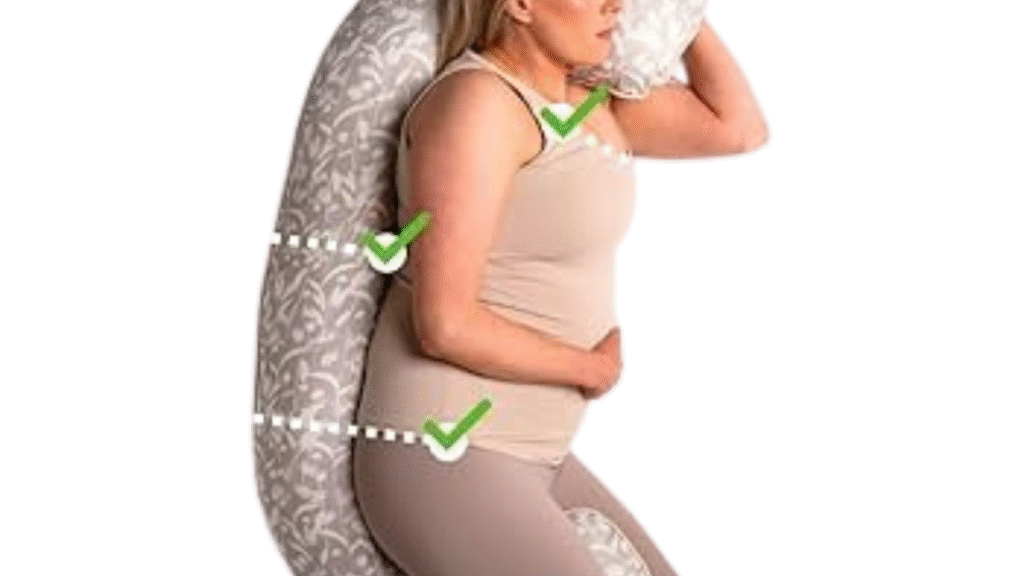
How a Pregnancy Pillow Helps Relieve Back Pain
1. Improves Spinal Alignment
A pregnancy pillow improves Spinal Alignment by keeping your spine in a neutral position while you sleep. It aligns your hips and knees and prevents twisting through the lower back.
When I first placed the pillow between my knees and under my belly, I noticed my hips stopped pulling forward. My back felt straighter. That small change reduced the tight pull I used to feel each morning.
Spinal alignment matters because poor posture at night can strain muscles for hours. Keeping the body balanced helps reduce stress on the lower back.
2. Provides Support for Belly and Back
A pregnancy pillow offers strong Support for Belly and Back by lifting the weight of the growing belly. This reduces the forward pull on the spine.
It also supports the natural curve of the lower back. Without that support, muscles work harder all night. With it, the body can relax.
Think of it like placing a prop under a heavy shelf. When the weight is supported, strain drops. That is exactly what steady belly and back support does during sleep.
3. Reduces Pressure on the Lower Back
A pregnancy pillow reduces pressure by spreading body weight more evenly. Less weight pulls on the lower back, which can ease pain.
When your knees are stacked and your hips stay level, the lumbar spine carries less strain. That can help reduce morning stiffness and soreness.
Lower back pain often comes from uneven pressure. Balanced support helps the muscles rest instead of brace.
4. Encourages Safe Side Sleeping
A pregnancy pillow promotes side sleeping, which many providers recommend during pregnancy. Side sleeping supports healthy circulation and reduces stress on the spine.
The pillow acts as a soft barrier behind your back. It helps prevent rolling flat onto your back at night.
Side sleeping also keeps the hips aligned when paired with knee support. That alignment can reduce strain across the pelvis and lower back.If you’re unsure which shape fits your body best, read my guide on Types of Pregnancy Pillows: How to Choose the Best Shape for Comfort & Back Pain Relief to compare U-shape, C-shape, wedge, and full-body designs in detail.
How to Use a Pregnancy Pillow for Lower Back Pain
Basic Setup for Sleep
Here is how to use a pregnancy pillow for lower back pain in a simple way:
- Place it between your knees.
- Tuck part under your belly.
- Rest a section behind your back.
- Keep your head neutral on the top portion.
This setup keeps hips level and reduces strain. The goal is one straight line from neck to knees.
How to Use a Pregnancy Pillow for Sciatica
To learn how to use a pregnancy pillow for sciatica, add a bit more knee elevation. This opens the hips and reduces nerve pressure.
Lean slightly forward into the pillow. Place support behind your hips to stop rolling backward.
Sciatic pain often worsens when hips twist. Stable support can calm that sharp, shooting feeling.
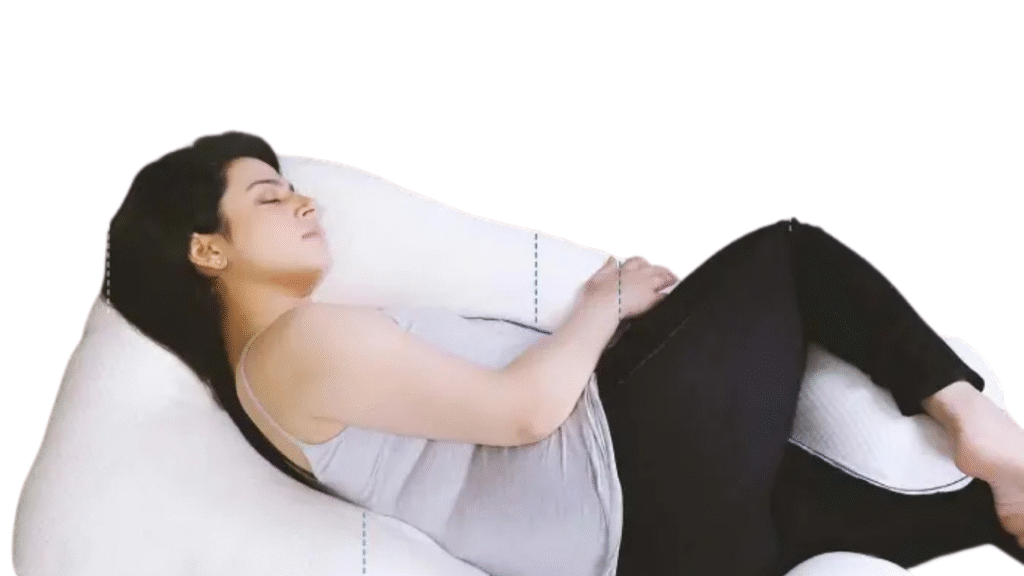
Pillow Sleeping Positions That Work Best
The best pillow sleeping positions usually involve the left side. This position supports circulation and keeps pressure balanced.
A semi-fetal position works well. Bend your knees gently, not tightly.
Avoid sleeping flat on your back for long periods. Back sleeping can increase strain on the lower spine.
Do Pregnancy Pillows Help With Hip Pain?
Yes, pregnancy pillows can reduce hip pain by keeping knees aligned and hips level. When knees stack properly, less strain hits the hip joints.
Before I used one, my top hip would ache by morning. Once I added knee support, that sharp pressure eased.
Hip alignment and pressure reduction often go hand in hand. Balanced support helps both back and hips.
What Does a Pregnancy Pillow Do Overall?
So, what does a pregnancy pillow do in simple terms? It improves spinal alignment, supports belly and back, reduces pressure, and promotes better sleep.
It acts like a shaped cushion that holds your body in a safer position. Instead of muscles working all night, the pillow shares the load.
Better alignment often leads to deeper rest. And better rest supports overall comfort.
Do Doctors Recommend Pregnancy Pillows?
Many providers recommend side sleeping during pregnancy. A pregnancy pillow helps maintain that position.
If you ask, “Do doctors recommend pregnancy pillows?” the answer is that they support recommended sleep posture, though they are not mandatory.
Groups like ACOG advise side sleeping, especially later in pregnancy. Pillows simply make that position easier and more comfortable.
When Should I Start Using a Pregnancy Pillow?
If you are wondering, “When should I start using a pregnancy pillow?” most people begin in the second trimester. But the exact timing can vary depending on your symptoms and trimester. I’ve broken this down in detail in my trimester-by-trimester pregnancy pillow guide if you want a deeper explanation.
In the first trimester, you may not need one yet. By the third trimester, many find it essential.
The real signal is discomfort. If your lower back or hips ache at night, it may be time.
Choosing the Right Pregnancy Pillow for Back Pain
Full Body Models vs Wedge Pillow
Full Body Models provide 360 support around the body. They support belly, back, and legs at once.
A wedge pillow offers targeted support under the belly or back. It takes less space in bed.
A shaped pregnancy pillow can feel like a soft frame around you. Choose based on bed size and comfort needs.
Firmness Matters
Firmness plays a big role in back relief. Too soft and the pillow flattens. Too firm and it creates pressure points.
Medium-firm often works best for steady support. The pillow should hold its shape without feeling hard.
Proper firmness helps maintain alignment through the night.
Pregnancy Pillow Causing Back Pain – What’s Going Wrong?
If you feel a pregnancy pillow causing back pain, the setup may be off. Wrong position is the most common issue.
Check if the pillow is too flat or too thick. Make sure your mattress supports your spine.
Alignment matters most. Adjust knee height and belly support until your hips feel level.
Pregnancy Pillow for Back Pain Not Pregnant – Does It Work?
A pregnancy pillow for back pain not pregnant can still help. Many non-pregnant sleepers use them for chronic lower back pain.
They offer more contour than standard body pillows. That extra shape can improve spinal alignment.
Support is support, whether pregnant or not.
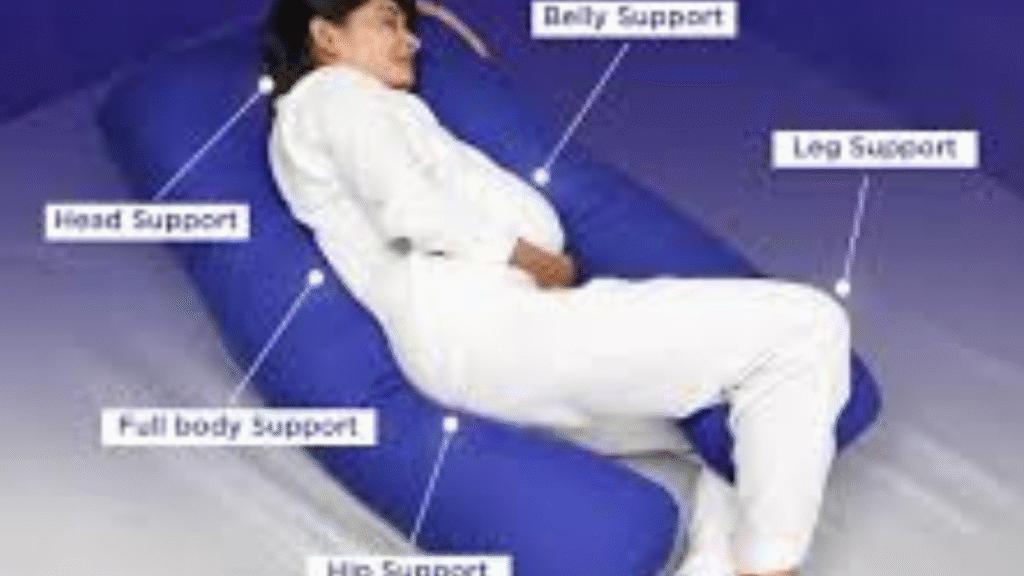
Pregnancy Pillow vs Body Pillows
Body pillows are straight and support one side at a time. A pregnancy cushion is shaped to support belly, back, and legs together.
The curved design offers better spinal alignment. It also reduces the need to reposition.
If back pain is the main issue, shaped support often works better.
Is a Pregnancy Pillow Worth It for Back Pain?
For many people, yes, it is worth it. Relief from back pain and better sleep can outweigh the cost.
It may also double as a nursing pillow after birth. Some even use it as a long-term sleeper pillow for side sleeping.
When rest improves, mood and energy often improve too. And that alone can make it a smart investment.
FAQs (Featured Snippet + Voice Search Optimized)
Does a pregnancy pillow help with back pain?
Yes. A pregnancy pillow helps with back pain by keeping your spine straight, easing lower back strain, and supporting side sleeping. It reduces pressure on sore muscles. Learn more about how it improves spinal alignment above.
How to use a pregnancy pillow for lower back pain?
- Place it between your knees
- Tuck it under your belly
- Rest it behind your back
- Keep your head neutral
This setup supports the lower back and reduces pressure.
Do doctors recommend pregnancy pillows?
Many OB-GYNs suggest side sleeping in pregnancy. A pillow supports that safe position and improves comfort. It is not required, but doctors often approve it for back pain relief and better rest.
Can a pregnancy pillow cause back pain?
Yes, if placed wrong. Poor alignment, too much height, or low firmness can strain your lower back. Adjust knee height and hip support first. Learn more about proper positioning in the guide above.
Do pregnancy pillows help with hip pain?
Yes. They help hip pain by keeping knees aligned and reducing joint pressure. Better spinal alignment means less strain on hips. Many people feel relief within days of consistent use.
Can you use a pregnancy pillow if you’re not pregnant?
Yes, you can. Many people use pregnancy pillows for chronic lower back pain or side sleeping support. They offer more full-body comfort than standard body pillows. Explore how they compare above.
Final Verdict – Should You Try One?
Yes, a pregnancy pillow can help with back pain for many people. It supports spinal alignment, reduces pressure, and makes side sleeping easier. For me, it felt like adding guardrails to my sleep. My lower back finally relaxed instead of fighting the mattress all night.
A pregnancy pillow helps most if you wake up sore, shift often, or struggle to stay on your side. It is especially helpful in the second and third trimester, when belly weight pulls on the lower back. If you deal with hip pain or sciatica, the extra knee and back support can make a big difference. Many people notice better sleep within a week.
You may not need one if your mattress already gives strong support and you sleep well on your side. Some people do fine with a firm body pillow or a small wedge pillow. If your pain is severe or constant, talk to your doctor first. A pillow helps posture, but it is not a cure for medical issues.
If you are tired of waking up stiff and achy, it may be worth a try. Good sleep is not a luxury in pregnancy. It is fuel. If you want help choosing the right fit, check out my guide on the best pregnancy pillow for back pain to compare shapes, firmness, and support styles.