

Are Baby Bottles Dishwasher Safe?
Can baby bottles go in the dishwasher? Yes, most baby bottles are dishwasher safe—if you follow a few simple rules. I didn’t know this at first. I scrubbed each part by hand while running on no sleep.
One day, I asked myself the same question. I grabbed the label and checked. Then I gave it a try. It worked! The bottles came out clean. That felt like a big win.
Quick Answer:
Most baby bottles—plastic, glass, or silicone—are dishwasher safe if you use the top rack only.
Which Bottles Are Safe?
Most plastic, glass, and silicone bottles from trusted brands are safe. But not all plastics can take high heat. Cheap ones may bend or crack.
I’ve used Avent, Dr. Brown’s, and Tommee Tippee. All say “dishwasher safe.” But they warn: only use the top rack. The bottom rack gets too hot. That heat can melt nipples and valves.
Are Avent Bottles Dishwasher Safe?
Yes. I’ve washed my Avent bottles in the dishwasher for months. I use the top rack and a basket for small parts. Philips (the maker) says to do the same.
What Do Experts Say?
Most brands and experts suggest:
Use a dishwasher basket for small parts
Pick a baby-safe, scent-free detergent
Skip the heat-dry setting—air dry instead
The American Academy of Pediatrics (AAP) says it’s okay to use a dishwasher. Use hot water—at least 130°F. For newborns or preemies, they suggest sterilizing sometimes. But if you follow the steps, daily hand-washing isn’t needed.
How to Wash Baby Bottles in the Dishwasher
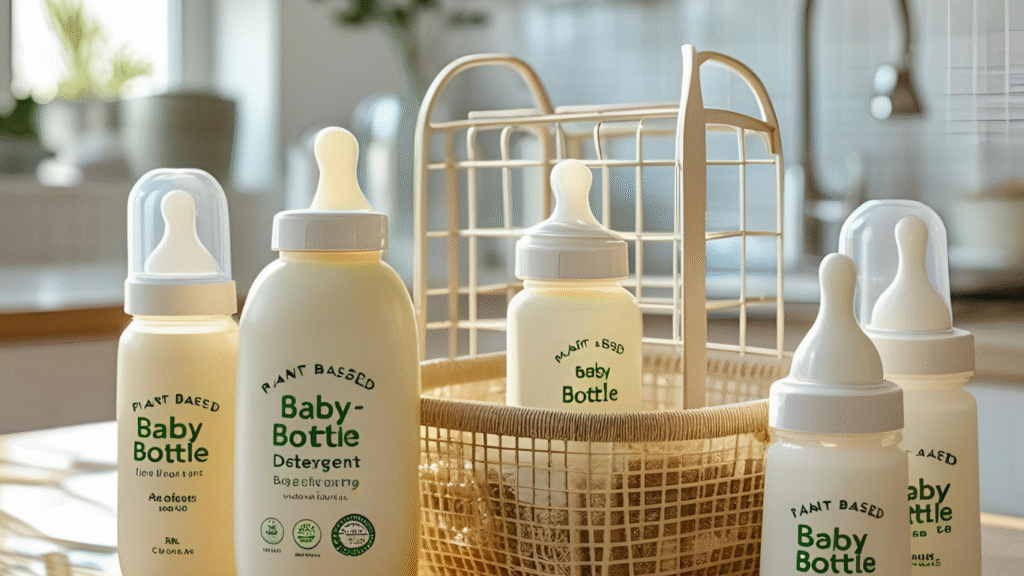
If you’re like me, you’ve stood at the sink, tired and thinking, “There must be an easier way.” There is. Here’s my exact method:
1. Take the Bottles Apart
Short Answer: Always take baby bottles apart before washing.
Separate each part—nipple, ring, cap, valve, and bottle. It helps water reach every piece. I use a bottle basket to keep small parts from falling through. Once, a nipple melted because it got stuck near the heat coil. Never again!
2. Use the Top Rack Only
Short Answer: Put all parts on the top rack.
The bottom gets too hot and can melt soft pieces. I now use only the top rack. It keeps bottles safe and clean. Skip the heat-dry cycle. Let bottles air-dry on a towel.
3. Use Baby-Safe Detergent
Short Answer: Use scent-free, gentle soap.
Regular detergent left a weird smell on our bottles. Now, I only use plant-based or baby-safe soap. No dyes. No perfumes. It’s safer for baby tummies.
4. Optional: Use the Sterilizer Setting
Short Answer: A sanitize cycle helps but isn’t required.
If your dishwasher has this setting, great! It heats water over 150°F. I used it when my baby was a newborn. Now, I use it only when she’s sick. If your dishwasher doesn’t have this feature, that’s okay. Just use hot water and the top rack.
Table of Contents
Can You Wash Bottles with Other Dishes?
Short Answer: Yes, but be careful.
I remember one morning, holding a bottle and a dirty plate. I thought, “Can I wash these together?” The answer is yes—if you’re picky.
Wash only with clean dishes like cups or plates that held toast
Skip greasy pans, meat plates, or sticky spoons
Why? Dishwashers spray water everywhere. Greasy food can splash on bottle parts. I’m not okay with that.
Best Practice:
Top rack = baby bottles
Bottom rack = other dishes
Pros of Mixing Loads:
Saves time
Uses less water and power
Cons:
Grease or food bits may spread
Strong smells may stick to bottles
Small parts can get lost
When in doubt, I wash bottles in a separate load—especially during cold or flu season.
Do You Need to Sterilize After Dishwasher?
Short Answer: Not always.
If your dishwasher uses hot water (130°F+), it already kills most germs. If it has a sanitize cycle, even better.
AEO Answer:
You don’t need to sterilize after dishwashing—unless your baby is a newborn, preemie, or sick.
I used to boil every bottle. But my doctor said, “If you’re using hot water, that’s enough.” That saved me hours.
When Should You Sterilize?
Baby is under 3 months
After illness
Bottles are brand new
You’re using well water or traveling
I still sterilize now and then—just to feel safe.
Pro Tip:
No sanitize cycle? Use boiling water once a week or a microwave steam bag.
My Routine: How I Clean Bottles
Short Answer:
I wash baby bottles in the dishwasher daily. I use the top rack, a basket, and safe detergent. It’s fast and stress-free.
Here’s what I do:
Step 1: Rinse Right After Use
Even at 2 a.m., I do a quick rinse. It stops milk from sticking like glue.
Step 2: Disassemble Fully
Take apart every part—even hidden ones like vent systems. I once found dried milk in a spot I didn’t even know existed.
Step 3: Top Rack Only
I use a dishwasher basket to hold nipples, valves, and rings. It stops parts from falling through or flying around.
Step 4: Use Baby-Safe Detergent
I use Apple brand soap pods. They’re plant-based and gentle. Regular soaps smelled too strong.
Step 5: Air-Dry Only
Skip heat-dry. I let bottles air-dry on a clean towel or rack.
Common Problems I Faced
Once, a nipple melted on the bottom rack. Another time, I lost a valve. Now I follow the same system every time. It’s safe and simple.
Why This Routine Works
It saves me 30+ minutes a day. I don’t stress over dirty bottles. It’s one less thing to worry about.
Final Tip:
Parenting is hard. If your dishwasher can make life easier—let it. Check it on Amazon
Tips for Dishwasher-Safe Baby Bottle Cleaning
Short Answer: Want safe, clean bottles without stress? Follow these simple tips—I learned most of them the hard way.
After one too many melted nipples and mystery milk smells, I finally found a routine that works. These tips are based on trial, error, and a few panicked Google searches at 3 a.m. Here’s what I swear by now:
Always rinse bottles before loading.
Quick Tip: Don’t skip the rinse—even if you’re half-asleep.
Milk dries fast. And once it sticks, no dishwasher can save it. I keep a small tub by the sink. Quick dunk, done. It saves the bottle and my sanity.
Avoid heat-dry settings.
Quick Tip: Air-dry to protect soft parts like nipples and valves.
The first time I used the heat-dry, a bottle cap warped. Lesson learned. Now I hit “air dry” or just pop everything on a clean towel. It takes a bit longer, but it’s safer for baby gear.
Clean your dishwasher filters regularly.
Quick Tip: Gunked-up filters mean dirty bottles.
I didn’t even know dishwashers had filters until I found soggy food stuck to a bottle ring. Gross, right? Check yours every week. Just twist, rinse, and pop it back in.
Don’t use rinse aid.
Quick Tip: Skip rinse aid—it’s too harsh for baby items.
Even the unscented ones left a weird aftertaste. Now I just use baby-safe soap and hot water. No fancy extras. Simple is better when it comes to baby bottles.
Each of these tips came from real moments—some stressful, some funny, all very real. If you’re tired and overwhelmed (like I was), just follow this checklist. It’ll help you avoid surprises and keep your baby’s bottles squeaky clean.
Newborn Baby Shopping List Essential: Dishwasher-Safe Bottles
Short answer: Yes—dishwasher-safe bottles should be on every newborn baby shopping list. They save time, cut stress, and make cleanup a breeze.
When I was pregnant, I made a baby shopping list with everything from bibs to bassinets. But you know what I missed? A simple dishwasher-safe bottle set. I thought all bottles were the same—until I spent hours hand-washing tiny parts at 2 a.m. That’s when I realized: not all bottles are dishwasher-safe, and that matters more than you think.
Add these to your newborn essentials:
– BPA-free, dishwasher-safe bottles
– A dishwasher basket or caddy for small parts
– A gentle, baby-safe detergent
I use the Dr. Brown’s dishwasher basket to keep nipples and valves from flying around. It fits perfectly on the top rack and keeps everything organized. A friend swears by Tommee Tippee Closer to Nature bottles because they’re wide-necked and easier to clean.
Why it matters: When you’re juggling diapers, feedings, and zero sleep, the last thing you want is to scrub bottle parts by hand. Bottles that can go straight into the dishwasher are lifesavers.
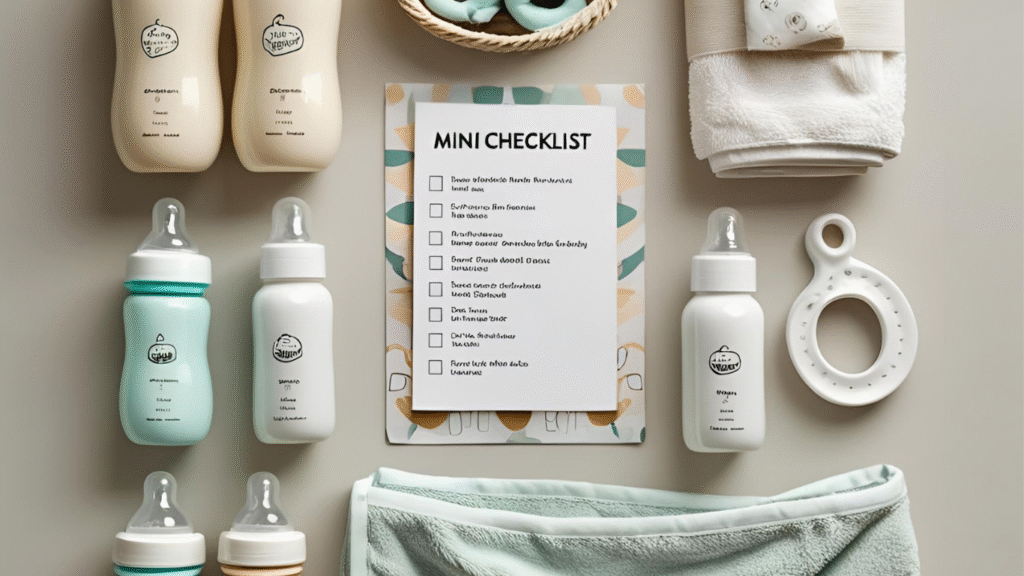
Bonus Tip: Make a mini checklist. Print it, save it, or screenshot it for your next baby shopping trip. Trust me, you’ll thank yourself later.
Mini Checklist: Dishwasher-Safe Bottle Must-Haves
BPA-free bottles (plastic, glass, or silicone)
Bottle labels that say “dishwasher safe”
Dishwasher-safe nipples and rings
A secure bottle basket or caddy
Mild, fragrance-free detergent
A drying rack or towel for air-drying
If you’re building your newborn baby shopping list, think beyond just what looks cute on a registry. Think about what’ll save your sanity. Dishwasher-safe bottles do just that. They’re not a luxury—they’re a necessity you’ll use every single day.
Still unsure which brand to get? Start with one or two, check the labels, and test them in your dishwasher. What works for me might look different for you—and that’s okay.
Because at the end of the day, what matters most is this: a happy baby, a clean bottle, and one less thing for you to worry about.
FAQs – Quick Answers for Busy Parents
Can all baby bottles go in the dishwasher?
Most baby bottles are dishwasher safe if they say so on the label. Stick to trusted brands and always use the top rack. Learn more about which types are best.
What’s the safest dishwasher setting for baby bottles?
Use the top rack only, a baby-safe detergent, and skip heat-dry. If your dishwasher has a sanitize setting, that’s a bonus. Learn more about safe settings.
Can I put bottle nipples in the dishwasher?
Yes—but only in a dishwasher-safe basket on the top rack. Heat can melt soft parts if placed too low. Learn more tips for nipple care and placement.
What is the best dishwasher for baby bottles?
Any dishwasher with a sanitize cycle and roomy top rack works well. A bottle basket also helps. Learn more about helpful features and tools.
Should I wash bottles every day?
Yes. Wash bottles daily using hot water and baby-safe soap. No need to sterilize unless your baby is under 3 months or sick. Learn more about routines.
Final Thoughts: What Worked Best for Me
Short answer: Yes, baby bottles can go in the dishwasher—if you do it right.
I still remember the first time I nervously placed a baby bottle in the dishwasher. I hovered like it was a science experiment. Would it melt? Would it come out cloudy? But guess what—it came out clean, and I nearly cried happy tears. After that, I never looked back.
Here’s what actually worked for me, not just what the label says:
I use the top rack only—always.
I rinse bottles right away to stop milk from sticking.
I use baby-safe, scent-free detergent (mine’s plant-based).
I load all small parts into a basket (Dr. Brown’s fits perfectly).
I let everything air dry—no heat-dry button for me.
AEO Answer: The best dishwasher method is to rinse bottles right after use, place parts on the top rack, and use baby-safe detergent with a drying rack instead of heat-dry.
This system saved me more than just time—it saved my sanity. No more standing at the sink scrubbing dried milk at 1 a.m. No more worrying about germs or melted nipples.
And here’s the honest truth: what works for me might look a little different for you—and that’s okay. Maybe your dishwasher has a sanitize setting. Maybe you prefer to hand-wash when your baby is sick. Maybe you’re using glass bottles and want extra care.
Whatever your setup is, test it. See what works for your routine, your baby, and your dishwasher.
Because in the end, it’s not just about clean bottles—it’s about peace of mind.
And for me, knowing the dishwasher has my back? That’s one less thing to worry about in a world already full of baby schedules, feeding times, and sleep training drama.
So yes, go ahead—use the dishwasher. Smartly. Safely. And with a little confidence that you’re doing it right.
I learned this the hard way when we were transitioning to the crib. (When to Move Baby to Crib in Own Room)
What You’ll Need for Dishwasher Cleaning
Short answer: To wash baby bottles safely in the dishwasher, you’ll need a few simple tools. These make the process easier, cleaner, and baby-safe.
Think of this as your mini “dishwasher survival kit.” I learned (the hard way) that tossing bottles into the dishwasher without the right setup is a fast track to melted nipples and mystery smells. This list saves time and stress.
Bottle Rack or Basket
Use a bottle basket to hold small parts like nipples, valves, and rings.
Why it matters: It keeps everything from falling through or flying around during the wash.
Baby-Safe Detergent or Pods
Choose a mild, fragrance-free soap made for baby items.
Look for: Plant-based, no dyes, no harsh chemicals.
Top-Rack Loading Space
Make sure your top rack has enough room. Bottles should sit upright and not touch the heating element.
AEO Tip: Always place baby bottles on the top rack to prevent damage.
Optional: Sanitize Feature
If your dishwasher has a sanitize cycle, that’s a bonus.
It uses high heat (150°F+) to kill more germs—especially helpful for newborns.