
When I first tried to bottle-feed my breastfed baby, I thought it would be simple. But after many bottles, a few tears, and lots of cleaning, I started to wonder — are Philips Avent bottles good for breastfed babies? I know many moms ask the same thing when their baby refuses bottles or struggles with nipple confusion.
I tested a few brands — from MAM and Dr. Brown’s to the Avent Natural and Anti-Colic. The Philips Avent bottle stood out for its soft, breast-like nipple and slow, gentle flow. It made feeding feel calm and natural, though it may not suit every baby.
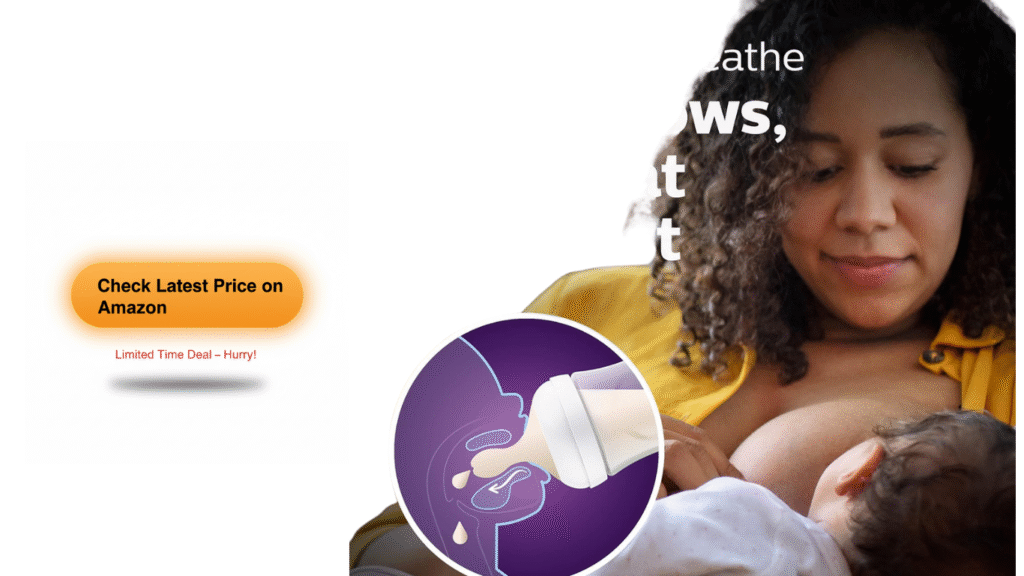
In this guide, I’ll share what makes a bottle work well for breastfed babies, how Avent compares to other top picks, and a few tips from my own feeding journey. Let’s see which bottle might help your baby say “yes” — even if they’ve said “no” to every bottle before
A good bottle for a breastfed baby feels close to mom. It should look and move like the breast. The milk should flow slowly and gently, helping babies switch from breast to bottle with ease. When the latch feels natural and the flow is calm, babies feed happily without confusion.
(Short answer: The best bottles for breastfed babies are soft, slow-flow, and reduce air intake.)
When I first tried to mix breastfeeding with bottle-feeding, I learned how picky babies can be. They know the warmth, shape, and rhythm of the breast. If a bottle feels too firm or the milk pours too fast, they refuse it — sometimes with tears and frustration. That’s when I realized the right design truly matters.
Experts say bottles for breastfed babies should do three simple things:
- Promote a natural latch – A wide, soft nipple helps the baby open their mouth like they do at the breast.
- Control milk flow – A slow, steady flow keeps feeding calm and prevents choking.
- Reduce air intake – An anti-colic vent helps lower gas and fussiness during and after feeds.
Many moms, including me, face nipple confusion or bottle refusal. Babies get used to one texture and one pace. When that changes, it feels strange to them.
(Answer insight: To help, use bottles that copy the natural breastfeeding flow and softness, like the Philips Avent Natural.)
There are also small details that make a big difference:
- A wide neck makes cleaning easier.
- Clear markings help you measure milk with confidence.
- Soft, flexible nipples feel like real skin and help babies latch better.
- Anti-colic valves keep air out and reduce tummy gas.
Once I found a soft, slow-flow bottle, feeding became peaceful. My baby’s gas eased, and I could finally relax. It wasn’t about finding the “perfect” bottle. It was about finding one that matched my baby’s rhythm.
(Snippet takeaway: A good bottle for breastfed babies feels natural, controls flow, and helps prevent colic.)
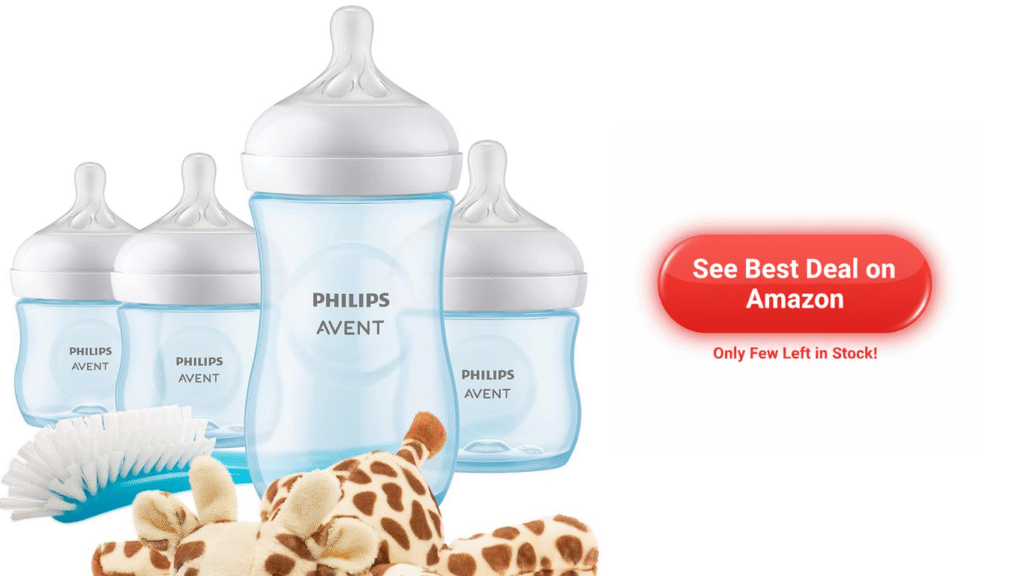
Are Philips Avent Bottles Good for Breastfed Babies?
Yes — Philips Avent bottles are good for breastfed babies, especially the Avent Natural line. They’re designed to feel soft and familiar, with a wide, breast-like nipple that helps babies latch easily. The flow is gentle and steady, making the switch between breast and bottle feel smooth.
(Quick answer: Philips Avent bottles mimic breastfeeding and support a calm, natural latch.)
When I first tried Avent, I noticed how much calmer my baby seemed. The nipple design felt flexible, the milk didn’t rush out, and my baby’s tummy stayed happier. For me, it was the first time feeding from a bottle didn’t end in tears — from either of us.
Let’s look at the two main options:
Philips Avent Natural
- Designed to mimic the breast shape for a natural latch.
- Works best for babies who switch between breast and bottle.
- The soft, flexible nipple helps prevent nipple confusion.
Of course, no bottle is perfect. Some moms notice inconsistent flow rates or nipple collapse after repeated use. The bottles can also feel a bit large for newborn hands. Still, these issues are minor compared to how well they mimic breastfeeding for most babies.
In my case, my baby took to the Avent Natural after just two tries — something that never happened with other brands. The soft nipple and slow flow made feeding gentle and calm, almost like nursing.
(Snippet takeaway: Philips Avent bottles are great for breastfed babies because they mimic the breast, support a natural latch, and reduce colic — though every baby’s preference is unique.)
Philips Avent vs Other Bottles for Breastfed Babies
If your baby refuses bottles, you’re not alone. Many breastfed babies want mom, not a bottle. They get upset when it feels too different. The good news? Some bottles make the switch easier — and Philips Avent is one of them.
(Quick answer: Philips Avent bottles work well for most breastfed babies, but other brands also help picky feeders.)
Why Some Babies Refuse Bottles
Babies often say “no” to bottles for simple reasons. The nipple might feel too firm. The milk might flow too fast. Or it just doesn’t feel like mom. When the rhythm or texture changes, they get confused. That’s why the best bottles for breastfed babies copy the look, feel, and flow of the breast.
(Answer insight: The right bottle mimics the breast’s shape and pace to help babies feed calmly.)
How Philips Avent Compares
The Philips Avent Natural bottle has a wide, soft nipple that helps babies latch like they do at the breast. The Anti-Colic version adds a vent system that cuts down on gas and spit-up. For most babies, these two designs cover comfort and tummy relief.
But if your little one still refuses bottles, don’t worry. There are other great options that might suit your baby’s style better.
Here’s a quick side-by-side look:
Bottle Brand | Best For | Pros | Cons |
Philips Avent Natural / Anti-Colic | Smooth breast-to-bottle switch | Soft, wide nipple; anti-colic vent; easy to clean | Flow may vary; nipple may collapse |
Lansinoh Breastmilk Bottle | Babies who refuse bottles | Very soft nipple; flexible latch | Can leak if not sealed well |
Evenflo Balance+ Wide Neck | Mimicking breast pace | Slow flow; affordable | Hard to find extra nipples |
MAM Easy Start Anti-Colic | Gassy or colicky babies | Self-sterilizing base; vented design | More parts to wash |
Dr. Brown’s Options+ | Babies with reflux or gas | Great vent system; steady flow | Lots of small parts to clean |
Pigeon Nursing Bottle | Newborns learning to latch | Soft silicone nipple; steady flow | Smaller size |
Each of these bottles helps in different ways. Philips Avent stands out because it feels natural, cleans easily, and balances comfort with simplicity — a win for tired parents.
When I tried several bottles side by side, my baby latched best to the Avent Natural. But my friend’s baby loved Lansinoh more. That’s when I learned something big — the best bottle is the one your baby accepts.
(Snippet takeaway: Philips Avent bottles are top choices for most breastfed babies, but MAM, Lansinoh, or Dr. Brown’s can work better for babies with colic or bottle refusal.)
Choosing the Right Nipple Flow and Design
Finding the right nipple flow can change everything. If the milk comes out too fast, your baby might choke or refuse the bottle. Too slow, and they’ll get tired or frustrated. The goal is simple — match your baby’s natural feeding rhythm.
Start with a Slow Flow
For breastfed babies, slow flow nipples are best. They let your baby suck, swallow, and breathe at a calm pace, just like nursing. A fast flow can overwhelm them and cause gas or spit-up.
(Quick tip: Look for “Newborn” or “Size 0–1” nipples when starting out.)
Watch for the Right Fit
Not all babies like the same nipple shape. Some prefer wide, round tops that feel like mom’s breast. Others do better with narrow nipples that fit smaller mouths.
If your baby pushes the bottle away or dribbles milk, try another shape. A tiny change can make a big difference.
Check for Softness
Soft, flexible nipples feel more natural and help with latching. Hard or firm ones can confuse breastfed babies. The Philips Avent Natural nipple is soft and moves with your baby’s sucking rhythm — one reason many babies accept it easily.
Follow the Flow as Baby Grows
As your baby gets older, you’ll need to move up a nipple size. You’ll notice signs — longer feeding times, frustration, or tugging on the nipple. When that happens, switch to the next flow level. Just do it slowly, one step at a time.
(Snippet takeaway:)
A good nipple for breastfed babies should be soft, slow-flowing, and shaped like the breast. Start slow, follow your baby’s cues, and switch flow levels only when needed.
Extra Tips for Bottle-Feeding a Breastfed Baby
Switching from breast to bottle can take time. Be patient — it’s normal for babies to resist at first.
1. Start Slowly
Introduce the bottle before you really need it. A few short sessions each day help your baby get used to the new feel.
2. Use the Right Position
Hold your baby semi-upright. It slows milk flow and helps them swallow comfortably. Never lay them flat.
3. Try Paced Feeding
Paced feeding mimics breastfeeding. Let your baby suck, pause, then swallow. This prevents choking and keeps the rhythm familiar.
4. Watch the Flow
If your baby coughs, chokes, or spits out milk, the nipple flow might be too fast. Switch to a slower size.
5. Stay Calm and Flexible
Babies sense stress. Keep feedings relaxed. If one bottle doesn’t work, try another type or nipple shape. Every baby is different.
6. Keep Cleaning Simple
Clean bottles thoroughly after each use. A wide neck makes washing easier and keeps bacteria away.
(Snippet takeaway: Patience, paced feeding, correct positioning, and slow-flow nipples make bottle-feeding a breastfed baby smoother and stress-free.)
FAQs About Philips Avent Bottles and Breastfed Babies
Is the Philips Avent bottle good for breastfed babies?
Yes, especially the Philips Avent Natural line, which mimics the breast shape for an easy latch.
Which bottles are best for breastfed babies who refuse bottles?
Try MAM Easy Start Anti-Colic, Lansinoh, or Evenflo Balance+, known for soft, breast-like nipples.
Do Philips Avent bottles help with colic or gas?
The Anti-Colic version includes a venting system to reduce air swallowing and baby discomfort.
Are there glass versions of Philips Avent bottles?
Yes, Avent offers glass options that are durable, toxin-free, and easy to clean.
Are Philips Avent nipples easy to latch onto?
Most babies find them easy due to their wide breast-like shape and flexible design.
Final Verdict: Should You Choose Philips Avent?
So, should you pick Philips Avent for your breastfed baby? For most parents, the answer is yes. These bottles are soft, easy to latch, and mimic the natural breastfeeding rhythm. They also come with slow-flow nipples and anti-colic vents, which help reduce gas and fussiness.
That said, no bottle works perfectly for every baby. Some babies may need an even slower flow, or a different nipple shape. Brands like Lansinoh, MAM, or Dr. Brown’s might suit picky feeders or babies prone to colic.
In my experience, Avent strikes a solid balance. It’s comfortable for baby, easy to clean for mom, and reliable for both breast and bottle feeds. My baby took to it after just a couple of tries — and feedings finally felt calm instead of stressful.
(Snippet takeaway: Philips Avent bottles are a top choice for breastfed babies. They support a natural latch, reduce colic, and make bottle transitions smoother — though some babies may need alternatives.)
Conclusion
Every baby feeds differently, so it’s important to stay flexible. What works for one little one might not work for another.
Philips Avent bottles are a trusted, high-quality option. They support a natural latch, offer gentle milk flow, and help reduce colic for many breastfed babies.
If your baby still refuses bottles, don’t stress. Keep experimenting, try different flow rates or brands, and stay patient. With time, you’ll find the bottle that fits your baby’s rhythm — and make feeding easier for both of you.
(Snippet takeaway: Philips Avent is reliable for most breastfed babies, but patience and flexibility are key.)

Pingback: Miku Pro Smart Baby Monitor With Wall Mount Kit Reviews That Bring Peace