
I still remember holding my baby in a towel. She was screaming like bath time had scared her. I asked myself—why does my baby scream after bath time when I did everything right? It felt hard, confusing, and even a little sad. Later, I found out I wasn’t alone. From late-night mom talks to posts on Mumsnet, many babies cry after a bath. Some get cold. Some feel overstimulated. Others just hate getting dressed. In this post, I’ll share what helped me—and what might help you too.
Why Does My Baby Scream After Bath Time? A Real Parent’s Guide
I still remember holding my baby, soaking wet and wrapped in her favorite hooded towel. Instead of feeling calm, she screamed like something had gone terribly wrong. I stood there confused—why does my baby scream after bath time even when I followed every step? The room was warm, the water was perfect, and I was ready with a cuddle. But she cried anyway.
If this sounds like your baby too, you’re not alone. Many parents face this exact moment—where bath time goes from cute to chaotic in seconds. Whether it’s the shock of cold air, baby overstimulation after bath, or just hating the feeling of getting dressed, there are real reasons behind these cries.
In this guide, I’ll walk you through what I’ve learned from my own journey—plus insights from other parents, forums like Mumsnet, and expert-backed tips that helped us turn bath time from tears to calm. If you’re wondering why your 3-month-old screams after bath time or how to keep baby warm after a bath, you’re in the right place. Let’s break it down, one warm towel at a time.
Common Reasons Babies Cry After Bath Time
It’s not just your baby—many little ones cry after baths. Here’s why it may be happening.
Temperature Changes
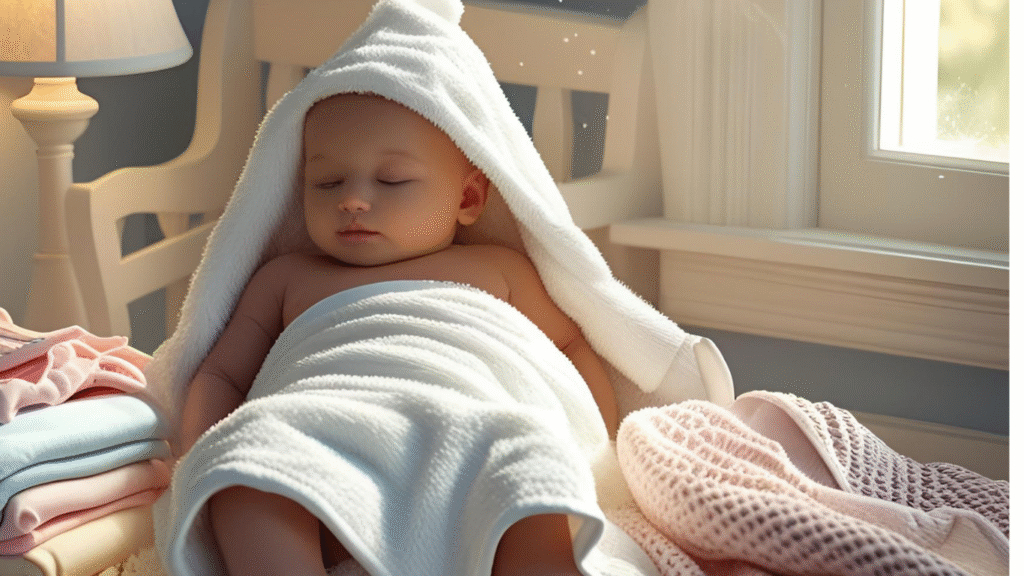
Babies often cry after a bath because they go from warm water to cool air very quickly. It’s like stepping out of a cozy blanket into a cold breeze—jarring and uncomfortable. Their tiny bodies lose heat faster than ours, and that sudden shift can feel shocking.
I remember how my baby would go from calm to screaming the second I lifted her out of the tub. Even if the bath was perfect, the air felt too cold for her soft skin. It took me a while to realize that this one moment—those few seconds between water and towel—was a big deal.
To help, I started warming the room a few minutes before bath time. I also laid out a thick towel ahead of time and even tossed it in the dryer for 2–3 minutes to make it extra cozy. Wrapping your baby right away and dressing them in soft, layered clothes helps keep them warm and calm. Quick layering, soft pajamas, and keeping the lights low worked wonders for us.
If you’re still building your baby feeding setup, check out my baby shopping list for first-time moms — it includes must-haves like bottles, sterilizers, and drying racks
Sudden Discomfort or Fear
Babies can suddenly start crying during or after a bath because of new fears or discomforts they didn’t have before. It can be the sting of shampoo in their eyes, the surprise of slipping, or even a splash of water in the wrong place.
For us, the turning point was one tiny slip. My daughter had just learned to kick more in the water. One night, her foot slid under her, and even though I caught her right away, something changed. She went from loving bath time to screaming the second I turned on the tap. I didn’t see it coming.
It’s common for babies to suddenly hate bath time if they’ve had one uncomfortable moment—even if it seemed small. Their memories are tied to emotion, so one bad experience can linger. Try easing back into it with shorter baths, gentler handling, and even skipping hair washing for a few days. Singing a familiar song or letting them hold a favorite toy can also rebuild that sense of safety.
Hunger or Sleepiness
If bath time happens too close to nap or feeding time, your baby might cry simply because they’re tired or hungry. Think about how cranky we get when we’re running on empty—babies feel that tenfold.
There were days I’d give my baby a bath thinking it would help her sleep better. But if she was even a little hungry or overtired, it backfired. She’d scream the whole time—not because of the bath, but because she needed food or rest first.
Just like with bath routines, knowing when to lower your baby’s crib mattress is another small safety habit that makes a big difference. Timing makes a huge difference. For most babies, a sweet spot is about 30–45 minutes after feeding, and well before a nap. That small shift helped us go from tears to giggles.
Post-Bath Dressing Struggles
Some babies don’t mind the bath—they just hate what comes after. Getting dressed while damp, being tugged into tight onesies, or feeling cold clothes on warm skin can all trigger tears.
I used to rush through drying and dressing, thinking faster meant better. But wet skin and cold air made the whole thing worse. My baby would cry harder during dressing than the bath itself. I realized she needed that moment to feel secure and warm before I added clothes.
To ease the struggle, I started using pre-warmed pajamas and took a few seconds to cuddle her skin-to-skin with a dry towel. That short pause helped her feel safe again. I also chose clothes that were soft, loose, and easy to slip on. Babies cry less when they don’t feel rushed or chilly.
Why Is My 3-Month-Old Screaming After Bath Time?
At 3 months old, babies become more aware of their world—and more sensitive to it. Their senses are sharper. They notice changes in temperature, sound, and touch more than before. That’s why a bath, even one they used to enjoy, can suddenly feel overwhelming.
When my baby turned 3 months, something changed. She had loved bath time since week one. But out of nowhere, she started screaming after every bath. I thought I was doing something wrong. But really, her brain and body were just going through a shift. At this age, babies begin reacting more strongly to what feels “too much.”
So what helped? A few small things made a big difference:
- I wrapped her tightly in a soft towel right away. That sense of security helped calm her nervous system.
- I dimmed the lights and spoke softly throughout the routine to avoid sensory overload.
- I started using warm lotion for a gentle massage. It turned post-bath into a calming moment, not a rush.
If you’re wondering why your 3-month-old screams after bath time, you’re not alone. This is often just a developmental phase. With a little warmth, calm, and routine, most babies adjust and start enjoying bath time again.
How I Calmed My Baby After Bath Time (What Actually Worked)
After many stressful evenings and lots of trial and error, I found a few simple things that truly helped. If your baby cries after bath time, you’re not alone—and there are ways to make it easier. These changes didn’t fix everything overnight, but they turned bath time into something we could both handle with more calm (and even enjoy).
Creating a Calming Bath Routine
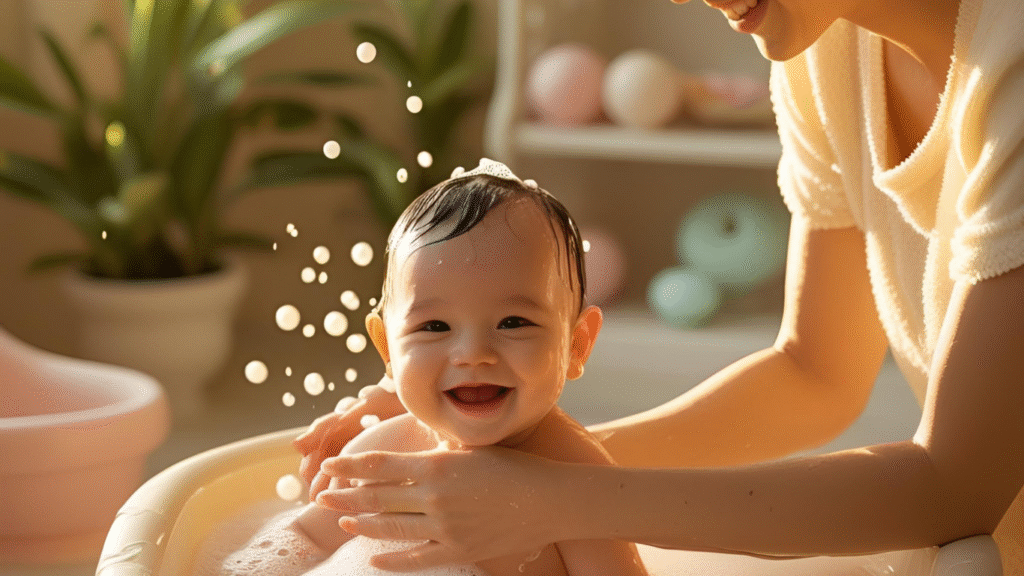
Babies feel what we feel. So if we rush, stress, or switch steps too quickly, they sense that. I started slowing everything down—lower lights, fewer toys, and a soft voice the whole time. A calm setup helps reduce overstimulation and fear.
We used to bathe her in the bright bathroom. Now, I light a soft lamp and play gentle music. Sometimes I even hum the same lullaby—something she now connects with safety.
Quick tip: Keep the room quiet, warm, and dim. That alone can reduce post-bath crying by a lot.
Pre-Warmed Clothes and a Cozy Space
Nothing feels worse than cold clothes on wet skin—especially for a baby. That was a mistake I made often. So I started laying everything out before the bath, from diaper to pajamas.
Now I warm the towel and baby clothes in the dryer for a few minutes. It’s such a small step, but the change was huge. Warmth = comfort, and comfort leads to fewer tears.
Pro tip: Set everything within arm’s reach so you can move fast and keep your baby cozy.
Cuddles First, Diaper Later
At first, I rushed to get her dry and dressed. But I realized she just needed to feel safe. So I changed the order.
If you’re still room-sharing and wondering when to move baby to their own crib, I’ve shared what worked for us here.”. No diaper. No clothes. Just skin-to-skin cuddles. It calms her nervous system and helps her settle faster.
Answer-first AEO tip: If your baby cries after bath time, try holding them before dressing. Skin-to-skin contact can reduce stress and make them feel secure.
Consistent Timing and Soothing Sounds
Babies love routine. When they know what’s coming next, they feel more in control—even if they can’t say it. We started doing bath time at the same time each evening, right after a feed but before she got too sleepy.
I also added soft white noise in the background—nothing loud, just a gentle hum. And I always talk to her the same way during each step.
If your baby cries after bath time, try doing it at the same time every night, right after a feed. Consistency helps reduce anxiety—for both of you.
What Other Parents Are Saying (From Mumsnet & More)
When I first searched “why does my baby scream after bath time”, I landed on Mumsnet, and honestly—it felt like a lifeline. So many parents were sharing the exact same struggles. One mum said her baby “screamed like they were being tortured” every time she turned off the tap. Another said bath time used to be peaceful until their baby turned 3 months old—and then, suddenly, it became a full-blown meltdown.
Real parent voice from Mumsnet:
“I’ve tried warm towels, dim lights, even singing. Nothing worked until I stopped rushing to dress him. Cuddles first, then diaper. Game changer!”
Reading through those stories helped me realize I wasn’t doing anything wrong. In fact, many babies scream after bath time for the same mix of reasons—cold air, overstimulation, new fears, or just the transition from warm water to the real world.
A few recurring tips from parents on Mumsnet and baby forums:
- Warm up the room and towel. Even a few degrees make a difference.
- Use soft background noise like a fan or white noise machine.
- Change the order of your routine (some do diaper first, some do cuddles).
- Shorter baths during “fussy” weeks.
Hearing other parents share what worked for them made me feel less alone—and gave me real-life ideas I could try right away. So if your baby screams after a bath, you’re in good company—and there’s a whole community of parents finding solutions, one soggy towel at a time.
When to Worry: Crying After Bath Might Be More Than Fussiness
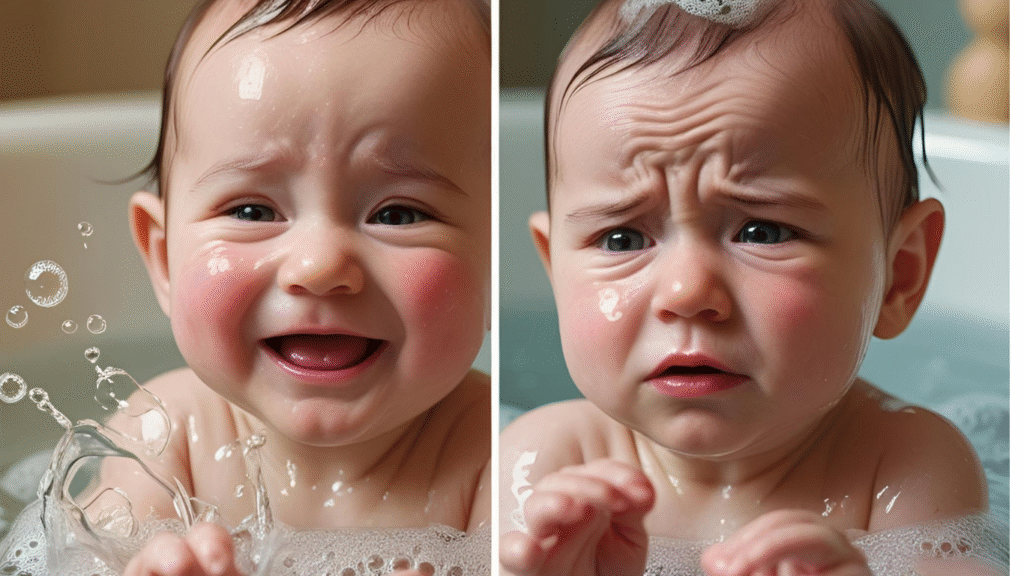
Most of the time, a baby crying after bath time is completely normal. But sometimes, it may be a sign that something else is going on. As parents, we learn to trust our gut—but it helps to know what red flags to watch for too.
When crying might mean more than just discomfort:
- Persistent, high-pitched screams that don’t stop after cuddling or warming
- Red, irritated skin or signs of rash after bath
- Fever or chills soon after bathing
- Crying during diaper changes or touch, not just bath time
- Visible signs of pain, like stiffening or arching their back
When my baby developed a tiny rash after a bath, I assumed it was dryness. But it turned out she was reacting to the baby wash I was using. Sometimes, even “gentle” products can irritate sensitive baby skin.
If your baby cries in a way that feels different—sharper, longer, or just not their usual self—don’t hesitate to check in with your pediatrician. You know your baby best.
Snippet answer for AEO:
If your baby screams after bath time and shows signs like rash, fever, or unusual pain, talk to your pediatrician—it may be more than fussiness.
A few things to double-check:
- Water temperature: Use a thermometer—aim for 98–100°F (37–38°C).
- Soap/shampoo: Go fragrance-free and hypoallergenic if possible.
- Bathing frequency: Daily baths may dry out baby’s skin; 2–3 times a week is often enough.
The American Academy of Pediatrics (AAP) recommends keeping bath time short, safe, and warm. If something doesn’t feel right, it’s always okay to ask your doctor—even if it’s just for peace of mind.
FAQ: Baby Screaming After Bath Time
Q1: Why does my baby cry hysterically during bath?
Answer: Your baby may be crying hysterically during bath due to overstimulation, fear, or sudden temperature changes. Bath time includes water, light, sound, and touch—all at once—which can feel overwhelming. If your baby recently had a scary slip, got water in their eyes, or just feels unsure, those strong cries make sense. Try dimming the lights, lowering noise, and offering extra cuddles right after.
Voice search snippet:
Babies cry hysterically during bath when they feel overstimulated, cold, or scared. Calming routines and warm towels help soothe them.
Q2: How can I make bath time easier for my baby?
Answer: Keep things simple, warm, and predictable. Use a consistent routine, soft lighting, and a warm towel ready at arm’s reach. Sing the same song or hum softly—it signals safety. Warm the clothes and diaper before bath so your baby stays cozy throughout.
Quick tip: Make bath time feel like a slow, gentle transition—not a rush.
Q3: Is it normal for a 3-month-old to scream after a bath?
Answer: Yes, it’s very common. Around 3 months, babies become more aware of their surroundings. That means sounds, sensations, and even transitions feel stronger than before. Your baby may be reacting to cold air, loud splashes, or even just the shift from bath to towel.
Snippet answer:
It’s normal for 3-month-old babies to cry after bath due to sensitivity and overstimulation at this age.
Q4: Should I skip baths if my baby hates them?
Answer: Not necessarily. You can reduce how often you bathe them—2–3 times a week is fine for most babies. On the other days, try sponge baths or quick wipe-downs. What matters more than frequency is keeping the experience calm and comfortable.
Tip: Focus on warmth, security, and routine over a full soak every day.
Q5: How long does this phase usually last?
Answer: For many babies, this fussy phase passes within a few weeks. Once they get used to the bath routine—or outgrow a sensitive stage—things usually improve. Keep the experience gentle and predictable. You’re laying the foundation for a positive association with water later.
Encouragement: Stick with it. This is just a small season—and it will pass.
Final Thoughts: You’re Not Alone, and This Will Pass
If you’ve been wondering, “Why does my baby scream after bath time even when I do everything right?”—I want you to know this: you’re doing a great job. These little cries, though stressful, don’t mean you’ve failed. They just mean your baby is still learning how to feel safe in a big, sometimes overwhelming world.
Bath time can go from calm to chaos in seconds. Whether it’s the cold air, overstimulation, a sudden fear, or simply hating the clothes after, there’s no one-size-fits-all reason. But there are always small things we can try—and they often make a big difference.
Here’s what helped me most:
- Warming the room and towel before bath
- Slowing things down with soft light and voice
- Holding my baby before dressing her
- Finding a routine that felt right for both of us
Snippet answer:
If your baby screams after bath time, try calming steps like warm towels, soft lighting, and cuddles before dressing. This phase will pass.
It may take a few days—or even weeks—but your baby will adjust. And you’ll find a rhythm that works. So take a breath. Trust your instincts. And know that behind every cry, there’s a baby who feels safest with you.
You’re not alone. And one day soon, that post-bath scream might turn into a smile instead.
Pingback: Why My Baby Sleeps Better With A Maternity Pillow Beside Me (Even After Pregnancy) - Moms Pal