
When I first brought my baby home, one question kept looping in my mind late at night: can Nanit stop SIDS? Like many parents, I turned to a baby monitor hoping it could quiet that fear, or at least help me breathe easier. I’ve used tools like Nanit and looked closely at options like Owlet, while also learning why safe sleep matters more than any heart rate alert. In this article, I’ll share what I’ve learned about breathing monitoring, what a monitor can’t do, and the best way to prevent SIDS—so you can make calm, informed choices.
Can Nanit Stop SIDS?
Short answer first, because this is what most parents want to know right away: no, Nanit cannot stop SIDS.
I wish it were that simple. When I first set up our Nanit, part of me hoped it would act like a safety net—something that could catch the unthinkable before it happened. That’s a very human hope. But no baby monitor, including Nanit, can prevent Sudden Infant Death Syndrome.
What Nanit can do is help you stay aware. It watches for movement patterns and alerts you if something looks off. Awareness is not prevention, and that difference matters more than marketing makes it seem.
SIDS is unpredictable. Doctors still don’t know exactly why it happens. We know the risk factors, but there’s no single warning sign a camera can always catch. That’s why relying on a monitor alone can create a false sense of security.
For me, understanding this was oddly calming. Once I stopped expecting Nanit to “save” my baby, I could use it for what it’s good at—extra visibility, not extra guarantees. The real protection came from safe sleep habits, repeated every single night, even when I was exhausted.
If you remember one thing from this section, let it be this: Nanit is a tool for awareness, not a shield against SIDS.
What SIDS Actually Is (And Why It’s Hard to Prevent)
Short answer: SIDS is the sudden, unexplained death of a healthy baby, usually during sleep.
Sudden Infant Death Syndrome sounds terrifying because it offers no warning signs. It often happens during sleep, even when a baby seemed fine hours earlier. That uncertainty is what keeps many parents awake at night, myself included.
Short answer: Some risks are known, but the exact cause of SIDS is still unknown.
Doctors know certain factors raise risk, like unsafe sleep positions, soft bedding, or smoke exposure. But many cases happen with no clear cause at all. That’s why SIDS is so hard to fully prevent.
Short answer: No baby monitor can fully prevent SIDS.
Even the smartest baby monitor can’t predict or stop SIDS. These devices can support awareness, but they are not medical tools. Safe sleep habits remain the strongest protection we have.

Will the Nanit Tell Me If My Baby Stops Breathing?
Short answer: Nanit can alert you to unusual breathing motion, but it can’t guarantee detection of stopped breathing.
This is one of the first questions I asked before setting up Nanit. The idea of a baby monitor watching breathing feels reassuring. Still, it’s important to understand what it truly tracks and where its limits are.
How Nanit Breathing Motion Monitoring Works
Short answer: Nanit tracks chest movement using a camera, not wearables.
Nanit uses a wall-mounted camera to watch subtle motion in your baby’s chest. There are no wires or sensors attached to your baby, which many parents prefer. It feels less invasive and easier for nightly routines.
Short answer: The breathing band helps the camera see movement more clearly.
The patterned breathing band gives the camera contrast to read motion better. It doesn’t measure heart rate or oxygen levels like Owlet. It only tracks movement patterns.
Short answer: Alerts notify you when motion drops below normal levels.
If Nanit detects little or no movement for a set time, it sends an alert. In real life, this means you may check on your baby quickly. It’s a cue, not a diagnosis.
Limitations Parents Should Understand
Short answer: Movement is not the same as true breathing measurement.
Nanit tracks motion, not actual airflow or heart rate. A baby can move but still have breathing issues. That’s an important gap to understand.
Short answer: Room setup affects accuracy.
Lighting, camera angle, and crib placement matter more than I expected. A loose blanket or bad angle can confuse readings. Setup takes patience.
Short answer: False alerts can happen.
I’ve had alerts when my baby rolled slightly or shifted sheets. Missed alerts are also possible. That’s why a baby monitor should support, not replace, safe sleep.
My Personal Experience Using Nanit Overnight
Short answer: Emotionally, Nanit gave reassurance—but not certainty.
On tough nights, seeing breathing motion helped me relax enough to sleep. It felt like having a second set of eyes. But it didn’t erase fear completely.
Short answer: Alerts helped with awareness, not prevention.
Once, an alert made me check faster when my baby had rolled awkwardly. That felt useful. Still, it didn’t feel like a shield against SIDS.
Short answer: I relied on safe sleep more than tech.
I always placed my baby on their back in an empty crib. Safe sleep habits mattered more than any screen or alert. Technology helped my anxiety—but habits protected my baby.
Does a Baby Monitor Reduce SIDS Risk?
Short answer: A baby monitor does not reduce the risk of SIDS.
This is a hard truth, and I remember wishing the answer were different. When you are tired and scared, it feels natural to trust a screen or an alert. But monitors are helpers, not protectors.
What Research and Pediatricians Say
Short answer: Medical experts agree that monitors do not prevent SIDS.
Pediatricians and researchers have studied this for years. There is no strong evidence that a baby monitor lowers SIDS risk. That includes video monitors and devices that track breathing or heart rate.
Short answer: The American Academy of Pediatrics does not recommend monitors for SIDS prevention.
The AAP focuses on safe sleep because it works. They worry that monitors can create false security. Parents may rely on tech instead of proven habits like back sleeping and an empty crib.
Where Baby Monitors Do Help Parents
Short answer: Baby monitors can give peace of mind.
For me, checking the screen eased anxiety during long nights. It felt like a soft nightlight in a dark room. Calm parents sleep better, and that matters too.
Short answer: Monitors increase awareness, not prevention.
A baby monitor can help you notice changes. You may see your baby roll, cough, or wake early. That awareness is useful, even if it does not stop SIDS.
Short answer: Monitors help with non-SIDS issues.
I caught a mild illness early because I noticed restlessness on the monitor. Others notice spit-up or unsafe positions faster. These moments show where a baby monitor truly helps—daily care, not SIDS prevention.
Nanit vs Owlet for SIDS Concerns
Short answer: Neither Nanit nor Owlet can prevent SIDS, but they offer different types of reassurance.
When I compared these two, I wasn’t looking for perfection. I just wanted to know which baby monitor would help me worry less without creating new stress. The difference comes down to how much data you want and how comfortable you are using it.
Heart Rate & Oxygen Tracking (Owlet)
Short answer: Owlet tracks heart rate and oxygen using a wearable sock.
Owlet works very differently from Nanit. It sits on your baby’s foot and tracks heart rate and oxygen levels. That data feels powerful, especially for parents who want numbers.
Short answer: Wearables offer detail but can add stress.
I liked seeing real-time stats, but I also checked them too often. A loose sock or tiny wiggle triggered alerts. For some parents, that detail brings comfort. For others, it fuels anxiety.
Short answer: Owlet has FDA clearance for specific uses, not SIDS prevention.
Owlet received FDA clearance for certain monitoring functions. This does not mean it prevents SIDS. It simply means the device meets safety standards for how it measures data.
Camera-Based Monitoring (Nanit)
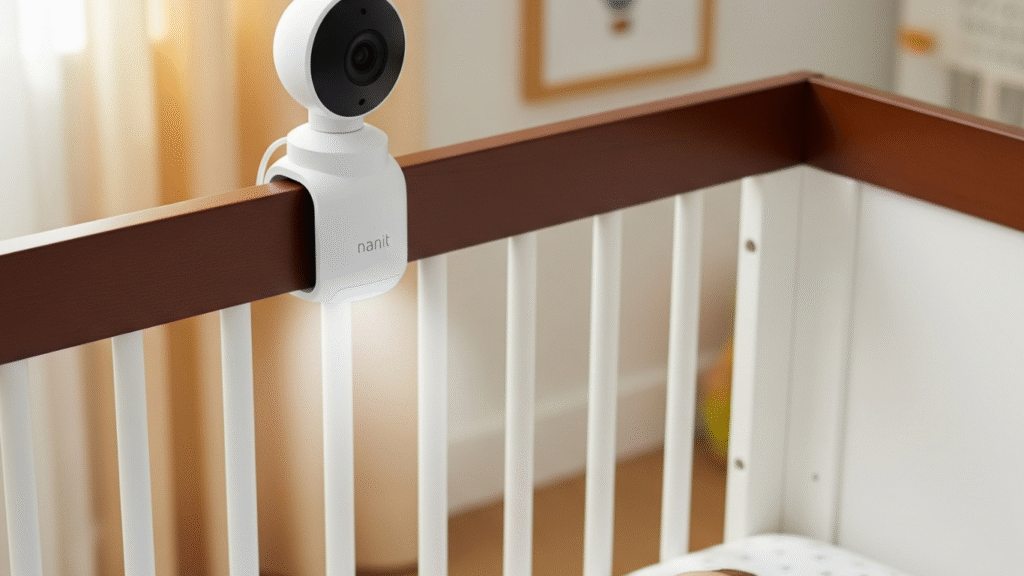
Short answer: Nanit uses a camera to track breathing motion without touching your baby.
Nanit watches movement through a wall-mounted camera. There are no wearables, cords, or socks. That simplicity mattered to me during night feeds and diaper changes.
Short answer: Contact-free monitoring feels easier for many parents.
I didn’t worry about placement or skin irritation. Once the camera was set up well, it faded into the background. Some parents prefer this hands-off style.
Which Gave Me More Reassurance — And Why
Short answer: Nanit gave emotional calm, Owlet gave data-driven comfort.
Nanit helped me relax emotionally. Owlet appealed to the logical side of my brain. Both worked, but in very different ways.
Short answer: Sleep quality matters for parents too.
I slept better with fewer alerts. For me, that meant Nanit. Friends who had medical concerns preferred Owlet’s numbers. Neither choice is wrong.
Short answer: Each device fits a different type of parent.
Owlet may suit parents who want heart rate and oxygen tracking. Nanit fits those who want simple awareness without wearables. The best baby monitor is the one that supports your peace of mind—without replacing safe sleep.
What’s the Best Way to Prevent SIDS?
Short answer: Safe sleep practices are the most effective way to reduce SIDS risk.
I searched for the best gadget at first, hoping tech could do the heavy lifting. What I learned—slowly and honestly—is that simple habits matter more than any baby monitor. Prevention comes from what you do every night, not what you watch on a screen.
Safe Sleep Guidelines That Matter Most
Short answer: Always place your baby on their back to sleep.
Back sleeping is one of the strongest protections against SIDS. I made this rule non-negotiable, even during naps. Consistency here truly matters.
Short answer: Use a firm mattress with no soft items.
A firm crib mattress helps keep airways open. I kept the crib empty—no pillows, blankets, or toys. It looked plain, but safety comes before style.
Short answer: Room sharing without bed sharing lowers risk.
Keeping the crib in my room made night care easier. I could respond fast without sharing a bed. This balance gave comfort without added risk.
What I Personally Prioritized Over Tech
Short answer: Consistency beats gadgets every time.
I stopped chasing new tools once routines were set. The same safe sleep setup each night lowered my stress. Habits create calm.
Short answer: Simple routines reduce long-term anxiety.
Knowing I followed safe sleep rules helped me rest. A baby monitor supported awareness, butCan Heart Rate or Breathing Monitors Replace Safe Sleep?
Short answer: No, heart rate or breathing monitors cannot replace safe sleep.
I understand the temptation to believe data equals safety. I felt it too when I first saw numbers and motion charts. But no device can undo unsafe sleep conditions.
Short answer: Technology should support safe sleep, not replace it.
A baby monitor works best like a seatbelt reminder, not an airbag. It adds awareness, not protection. Back sleeping and an empty crib still do the real work.
Short answer: Many parents fall into common tech myths.
Some think alerts mean prevention. Others assume silence means safety. Both ideas can lead to false confidence, which is why safe sleep must come first.
When a Baby Monitor Makes Sense (And When It Doesn’t)
Short answer: Baby monitors can help—but only in the right context.
Used wisely, they support parents. Used obsessively, they raise stress. The key is knowing when a baby monitor adds value.
Situations Where Nanit Can Be Helpful
Short answer: Nanit may help with guidance for preterm babies.
Some pediatricians suggest extra monitoring for preterm infants. This should always follow medical advice. Nanit can support observation, not treatment.
Short answer: It can ease parental anxiety.
Seeing your baby settle can calm racing thoughts. For me, fewer check-ins meant better sleep. Emotional relief matters too.
Short answer: Nanit supports sleep training awareness.
The monitor helped me notice sleep patterns. I learned when my baby stirred versus truly woke. That insight made nights smoother.
Situations Where It May Add Stress
Short answer: Constant checking increases anxiety.
I caught myself opening the app too often. More data didn’t mean more calm. It sometimes did the opposite.
Short answer: False alarms can disrupt sleep.
Alerts can wake you for harmless movement. Over time, this wears you down. Tired parents feel less confident.
Short answer: Too much data can replace instinct.
Numbers are helpful, but they aren’t everything. Trust your safe sleep habits and your instincts. A baby monitor should assist you—not control you.
it didn’t replace confidence. Trust your habits—they last longer than any app.
FAQs
Can Nanit stop SIDS?
No. Nanit cannot stop SIDS. No baby monitor can. The safest way to reduce risk is following safe sleep rules every night. Learn more about proven SIDS prevention steps above.
Will Nanit alert me if my baby stops breathing?
Nanit can alert you to unusual breathing motion, not true breathing or airflow. It cannot guarantee detection of stopped breathing. Learn more about how Nanit monitoring works.
Does Owlet prevent SIDS?
No. Owlet does not prevent SIDS. It monitors heart rate and oxygen levels and has FDA clearance for monitoring, not prevention. Learn more about Owlet vs Nanit differences.
Is a baby monitor worth it for newborns?
A baby monitor can be worth it for peace of mind and awareness, but it does not reduce SIDS risk. Safe sleep matters most. Learn how to choose the right monitor for you.
What do pediatricians recommend for SIDS prevention?
Pediatricians recommend back sleeping, a firm mattress, an empty crib, and room sharing without bed sharing. These steps lower SIDS risk most. Learn more about safe sleep basics.
What I Want Other Parents to Know
Short answer: You deserve reassurance without being sold false hope.
I wish someone had told me earlier that fear is part of early parenting. Asking can Nanit stop SIDS? doesn’t make you anxious—it makes you human. Honest answers calm the mind more than promises ever could.

Short answer: Technology is a tool, not a shield.
A baby monitor can support awareness, not guarantee safety. I learned to see tech like a flashlight in the dark—helpful, but not armor. Safe sleep habits still carry the most weight.
Short answer: Knowledge empowers more than fear ever will.
Understanding what truly lowers risk gave me confidence. That confidence helped me sleep better and parent calmer. When you choose knowledge over panic, you show up stronger—for yourself and your baby.