
Can I Soak in a Bath While Pregnant?
A soak in the bathtub can feel incredibly inviting during pregnancy. Between back pain, swollen feet, and restless nights, a warm bath may seem like the perfect way to relax and reclaim a little “me-time.” The good news is that baths are generally safe during pregnancy — as long as a few important precautions are followed.
Ob/Gyn Alison Stalzer, DO, explains how to enjoy a bath safely while protecting both you and your baby.
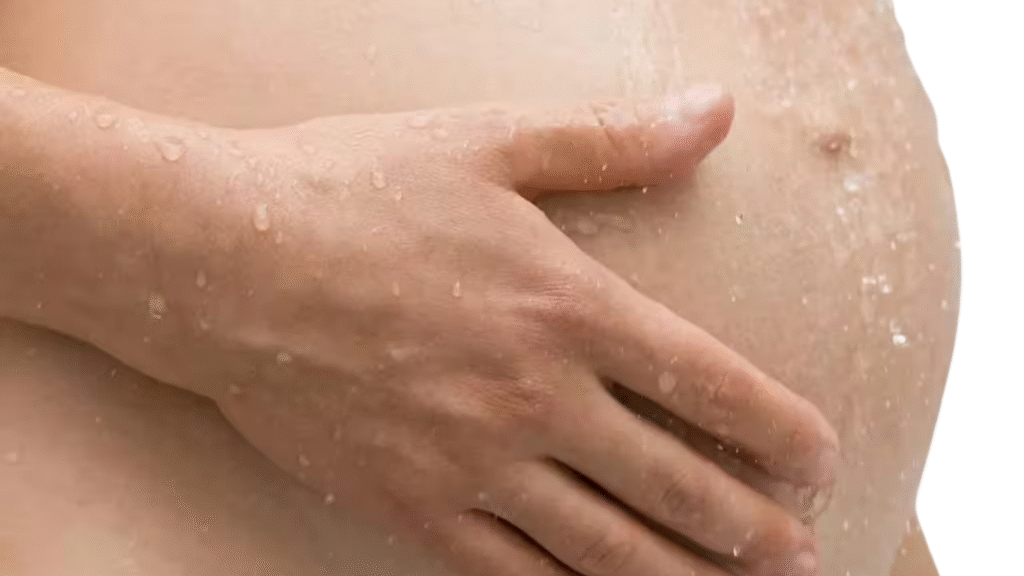
Safe Water Temperature Guidelines for Pregnancy Baths
When you’re pregnant, water temperature matters more than ever. While a warm bath can help relieve stress and muscle tension, hot baths should be avoided throughout pregnancy.
Dr. Stalzer explains that bath water should stay below 99°F (37°C). Water hotter than this can raise your core body temperature, which is especially risky during the first trimester, when the baby’s brain and spinal cord are forming. Elevated body temperature during this stage has been linked to an increased risk of neural tube defects, such as spina bifida and anencephaly.
Even later in pregnancy, hot baths can still pose problems. Heat can lower blood pressure, making you feel dizzy or lightheaded. Combined with the body’s changing center of gravity during pregnancy, this increases the risk of slipping or falling — which could be dangerous for both you and your baby.
For these same reasons, hot tubs, saunas, and steam rooms should be avoided, as their temperatures are difficult to control and may expose you to harmful germs.
How Long You Can Soak Without Risk
While the article does not specify an exact time limit for bathing, the key safety focus is temperature and how your body feels. As long as the water stays warm — not hot — and you feel comfortable, soaking is generally considered safe.
Pay attention to how your body responds. If you begin to feel overheated, dizzy, or uncomfortable, it’s time to end the bath. Standing up too quickly after soaking can also increase the risk of lightheadedness, so moving slowly is important.
The goal is relaxation, not overheating. A gentle, warm soak can still offer stress relief and muscle relaxation without unnecessary risk.
Signs You Should End a Bath Immediately While Pregnant
Even if everything feels fine at first, certain signs mean you should get out of the bath right away:
- Feeling lightheaded or dizzy
- A sensation of overheating
- Weakness or instability when shifting positions
- Difficulty standing safely
When exiting the bath, take extra care. Bathtubs can be slippery, and pregnancy already affects balance. Dr. Stalzer recommends holding onto something stable and stepping out slowly. Using an anti-slip bathmat or adhesive strips can add an extra layer of safety.
A Note on Bath Products During Pregnancy
While baths themselves are generally safe, not all bath products are. Dr. Stalzer advises skipping bath bombs, bubble baths, and essential oils during pregnancy. These products can irritate sensitive skin and disrupt vaginal pH, increasing the risk of yeast infections and bacterial vaginosis. Some essential oils are also classified as teratogenic, meaning they may harm fetal development.
If you’d like something extra in your bath, there are pregnancy-safe options. Fragrance-free Epsom salts may help soothe sore muscles, especially later in pregnancy. Colloidal oatmeal soaks can also relieve dry, itchy skin — a common pregnancy complaint.
Remember, Pregnancy Is Temporary
Pregnancy can come with a long list of do’s and don’ts, and that can feel frustrating at times. But these precautions are temporary and meant to support a healthy pregnancy and baby.
With a warm — not hot — bath, careful movements, and the right products, you can still enjoy a relaxing soak. A little caution now goes a long way toward peace of mind and a safer, more comfortable pregnancy.